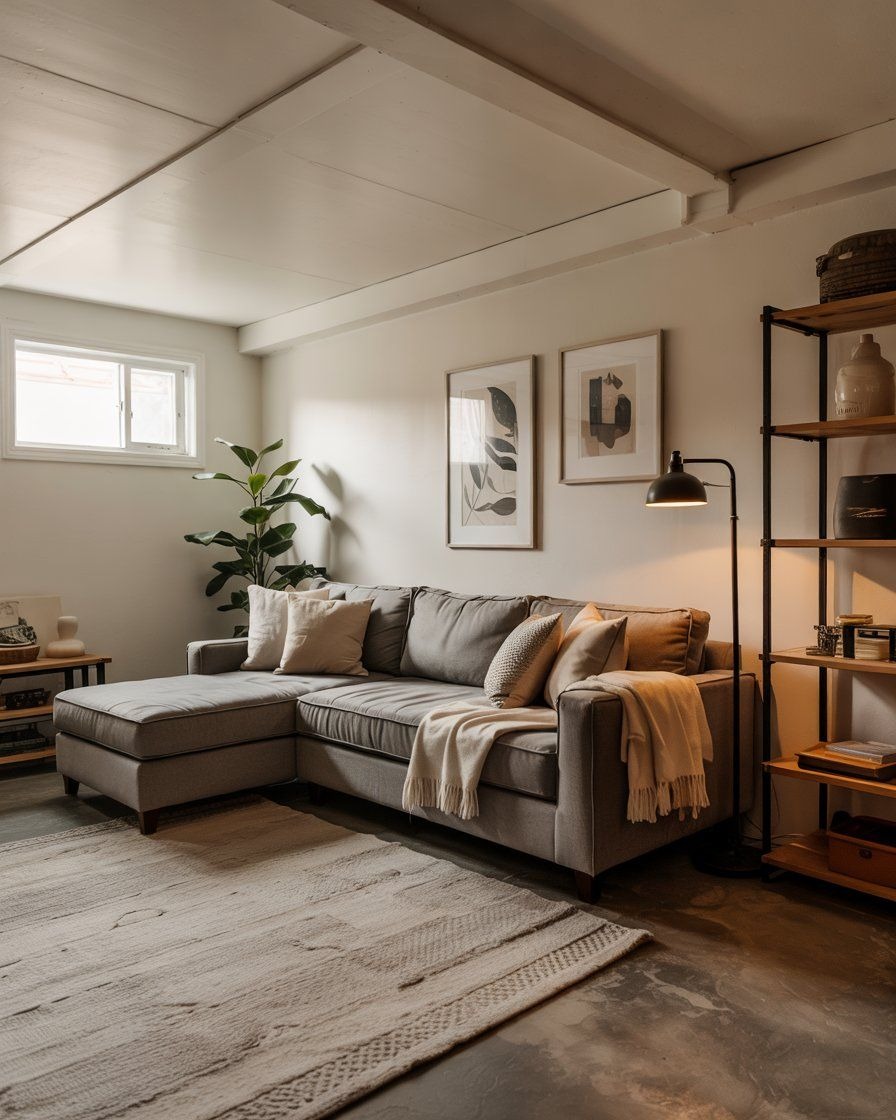
To answer how to make a rental basement apartment in Canada more energy efficient, you should focus on upgrading insulation, sealing air leaks, improving heating controls and ventilation, as outlined in Natural Resources Canada’s basement insulation guidance, and managing moisture around the foundation. These steps help keep heat inside, protect the structure, and create a healthier living space in a demanding Canadian climate.
Basement apartments sit partly or fully below ground, so they face different temperature and moisture conditions than upper floors. When they are insulated and sealed properly, they can be warm, quiet and efficient. When they are neglected, they often feel cold, damp and expensive to heat.
What makes a basement apartment inefficient
In many Canadian homes, the basement is surrounded by cool soil for most of the year. If the foundation walls and slab are poorly insulated, heat from the rental unit moves into the concrete and then into the ground. This steady heat loss makes the space feel chilly and forces the heating system to work harder, a problem addressed in ASHRAE’s residential energy performance resources.
Air movement is a second major issue. Warm air tends to rise to upper floors, while cold air is pulled into the basement through cracks around windows, service penetrations and the joint where the house frame meets the foundation. Older homes that were never designed as living spaces often lack proper thermal breaks and moisture control, so the basement stays cold and damp even when the heat is on.
Why energy efficiency matters in a rental unit
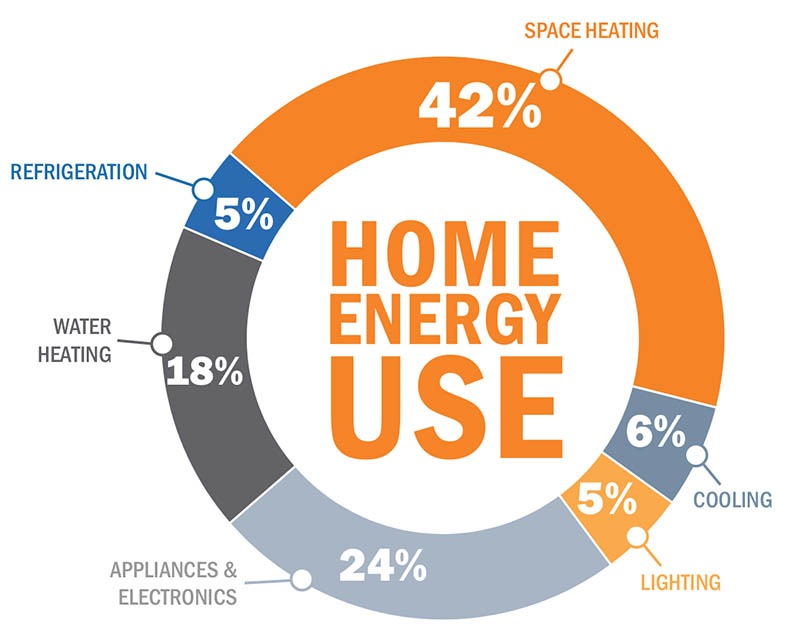
Improving the efficiency of a rental basement apartment is not only about lowering utility bills. A warm, dry, well-sealed unit is simply more comfortable to live in, and tenants notice the difference. Over time, this can reduce turnover and vacancies, which is important for landlords.
There is also a clear environmental benefit. Heating represents a large share of residential energy use in Canada. When a basement unit uses less energy to maintain a healthy indoor temperature, it reduces greenhouse gas emissions and pressure on the building’s heating system. Better moisture and temperature control also protect wooden framing and finishes from rot, swelling and other damage, which helps the home last longer.
How different efficiency upgrades compare
When planning a renovation or a series of smaller upgrades, it helps to compare the cost, impact and difficulty of common measures used in Canadian basements:
| Upgrade Method | Initial Cost | Energy Impact | Difficulty Level |
| Air sealing with caulking or spray foam | Low | High | Easy |
| Adding rigid foam insulation | Medium | High | Moderate |
| Window inserts or new high performance units | Medium | Moderate | Easy to moderate |
| Subfloor insulation over the concrete slab | High | High | Hard |
| Smart thermostats and better controls | Low | Low to moderate | Easy |
| High efficiency heating or cooling system | High | High | Hard, often requires a professional |
In most basements, air sealing offers the quickest improvement for the least money. Paying particular attention to the rim joist, where the wooden structure meets the concrete foundation, can significantly reduce drafts and heat loss before you invest in larger projects.
Choosing the right insulation materials
Basements are exposed to moisture from the ground and from indoor air, so insulation must be chosen with care as highlighted in university research on basement moisture and mold. In Canada, materials should offer good thermal resistance while also resisting mold and water damage.
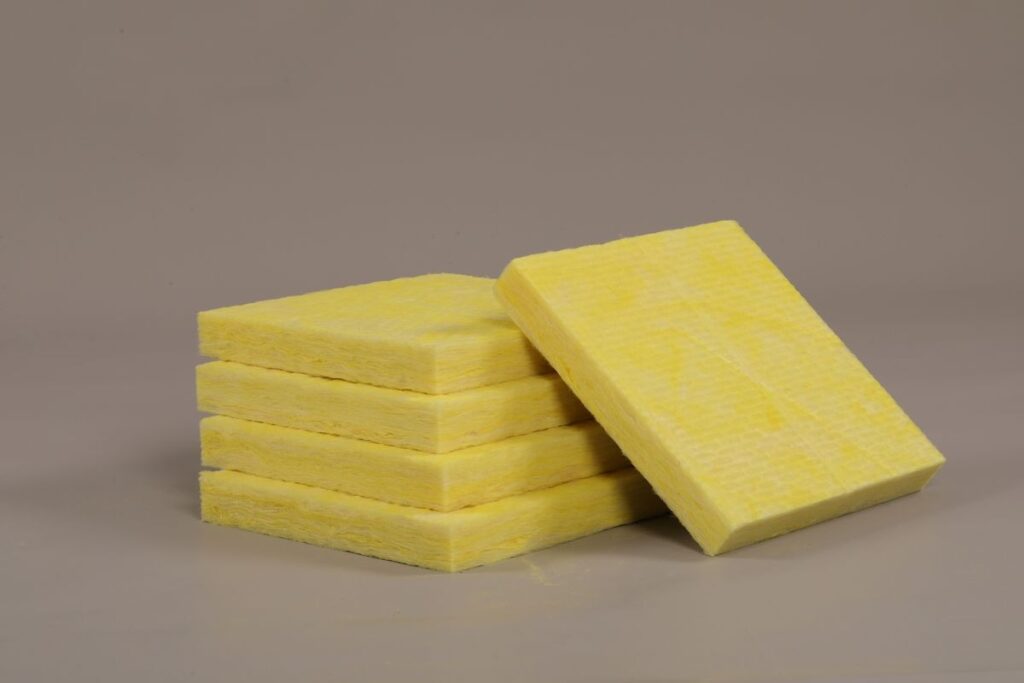
Standard fiberglass batts placed directly against concrete tend to absorb moisture and can become a problem over time. More suitable options include rigid foam boards installed against the foundation and mineral wool placed in framed walls over that foam. Mineral wool is made from rock and slag, is naturally fire resistant, and sheds water rather than absorbing it.
For any new framing, using quality wood that is protected from bulk water and damp conditions is important. When upgrading floors, a raised subfloor system over the slab creates a thermal break and helps the finished flooring feel warmer underfoot, instead of acting as a cold surface that draws heat out of the room.
Common mistakes to avoid
- One of the most serious mistakes is trapping moisture inside walls as demonstrated in this Reddit thread. In a cold climate, an interior plastic sheet placed in the wrong position can hold water against wood and insulation. If moisture cannot dry to either the interior or exterior, it can lead to mold and decay. Following local building guidance on vapor control is important.
- Another frequent problem is forgetting ventilation. As air leaks are sealed and insulation is added, natural air exchange is reduced. Without a heat recovery ventilator, a suitable fresh air supply, or effective bathroom exhaust, humidity and pollutants build up. This can leave the space feeling stuffy and may affect health. A tight basement should always have a planned way to bring in fresh outdoor air while limiting heat loss.
Discussion: The landlord and tenant perspective
There is often a question of who gains most from an efficient rental basement. If tenants pay their own utilities, landlords may hesitate to invest in upgrades. However, expectations are changing. Comfort, air quality and predictable energy costs are now important features for many renters.
Stricter rules around minimum indoor temperatures and basic standards for rental housing also place more attention on performance. A well insulated, well sealed and properly ventilated basement apartment stands out in the market. For owners, investing in the building envelope, windows and insulation helps protect the structure from moisture problems while offering a better quality home to tenants.
Frequently Asked Questions
1. How do I prevent basement insulation from trapping moisture and causing long-term damage?
Keep the foundation dry and use materials that handle moisture well. Rigid foam against the concrete is reliable, and mineral wool in the framed wall stays stable in humid conditions. Avoid placing plastic where moisture can get stuck. Local building guidance helps determine the correct vapor control layer.
2. What heating setups keep a basement apartment comfortable without pushing energy bills up?
Heat pumps are the most efficient option for basements and provide steady comfort. If the home has central heating, improving zoning and adding a smart thermostat helps maintain a stable temperature. Insulation and sealing around the rim joist reduce load on any system.

3. How tight should a basement be sealed, and what ventilation is needed to keep the air healthy?
Seal common leaks around windows, rim joists and service openings so the basement holds heat properly. After that, rely on controlled ventilation. A small heat recovery ventilator or balanced fresh air supply keeps humidity and pollutants in check.
4. Which upgrades give the quickest improvement in a rental basement without a major renovation?
Air sealing offers the fastest gain. Caulking and spray foam at the main leakage points make an immediate difference. Window inserts also help reduce drafts. If the floor feels cold, modular subfloor panels add comfort right away.
Conclusion
Improving the energy efficiency of a rental basement apartment in Canada is a practical way to support both comfort and sustainability. By paying attention to insulation, air sealing, moisture control and ventilation, a cold and damp space can become a warm, reliable home that uses less energy. Whether the work is done in stages or as part of a full renovation, focusing on the building envelope and basic performance will deliver the strongest long term benefits for both owners and tenants.