To use low-carbon renovation strategies for urban homes in Toronto and Vancouver, you should strengthen the building envelope with natural insulation, replace fossil fuel heating with efficient electric heat pumps and select materials with low embodied carbon such as locally sourced or reclaimed wood. These steps lower energy use, improve comfort and help existing homes align with long term climate goals in both cities. These priorities are consistent with Canadian guidance on deep energy retrofits and greenhouse gas reductions in housing programs.
Urban houses in these regions cover a wide range of construction types, from older brick homes in Toronto to wood frame houses across Vancouver. Many of them were built before modern energy standards and now offer significant opportunities for reducing carbon emissions through targeted renovations.
What low-carbon renovation strategies involve
Low-carbon renovation strategies focus on lowering both operational carbon and embodied carbon. Operational carbon is tied to heating, cooling and electricity use. Embodied carbon refers to the emissions released in producing and transporting building materials. Research on retrofitting existing buildings shows that targeted efficiency upgrades can significantly reduce operational carbon over a building’s life cycle.
For existing urban homes, this approach often includes upgrading windows to high performance wooden units, improving insulation with materials like cellulose or wood fiber boards and using efficient mechanical systems. Relying on renewable, plant based materials maintains performance while reducing the overall environmental impact of the renovation.
Why these strategies are important in Toronto and Vancouver
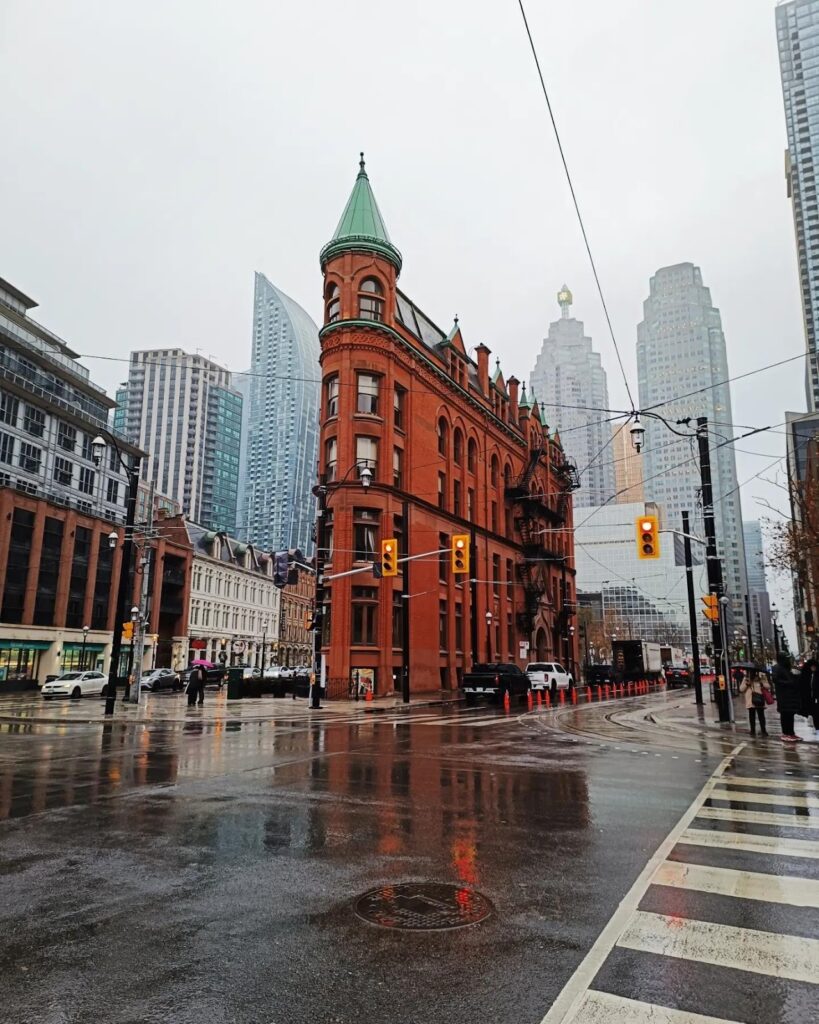
Both cities have strong climate action goals that rely on reducing emissions from existing buildings. At the same time, their climates present different challenges. Toronto experiences colder winters and humid summers, while Vancouver faces long periods of moisture and increasingly warm summers.
A low-carbon renovation improves resilience in both cases. Better insulation and airtightness keep homes warm in winter and stable in summer. Improved moisture control helps reduce the risk of mold, which is especially valuable in coastal environments. Electrifying heating also reduces reliance on volatile fuel prices and aligns with cleaner regional electricity supplies.
Homeowners also share practical experiences with which upgrades delivered the most value, as in this discussion of energy efficiency improvements and costs in Canadian houses.
How standard renovations compare to low-carbon options
Standard renovations often focus on aesthetics and rely on high carbon materials. Low-carbon renovations emphasize long term performance and aim to store or reduce carbon through material choice.
| Feature | Standard Renovation | Low-Carbon Retrofit |
| Primary Goal | Aesthetics or added space | Efficiency and sustainability |
| Material Choice | Vinyl, concrete, drywall | Wood, cellulose, natural stone |
| Carbon Impact | High | Low |
| Insulation | Standard batts or spray foam | Wood fiber, wool, cellulose |
| Cost | Medium | Medium to high with lower operating cost |
Although low-carbon materials or high performance windows may involve higher upfront costs, the lower energy consumption and increased long term value often make the investment worthwhile.
Choosing the right strategies for each city
Climate conditions should guide renovation decisions.
- In Toronto, improving heat retention is critical. Upgrading attics and walls with high R value insulation and installing triple glazed windows reduces heat loss. For older brick homes, natural insulation materials help manage moisture safely and limit freeze thaw issues.
- In Vancouver, moisture control takes priority. Rainscreen systems built with durable timber supports allow walls to dry effectively. Because the electricity supply is clean, switching from gas furnaces to electric heat pumps significantly cuts carbon emissions.
Mistakes to avoid during low-carbon renovations
- One major issue is overlooking embodied carbon. Demolishing and rebuilding an existing house can release far more emissions than upgrading it. Retaining the current structure and renovating it with natural materials is nearly always the lower carbon option.
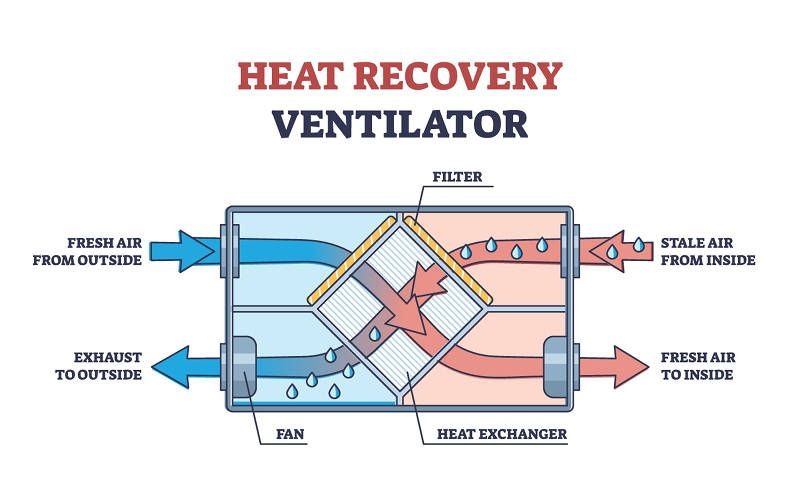
- A second issue is focusing solely on airtightness without planning ventilation. Once leaks are sealed, humidity and pollutants can accumulate indoors. Installing a heat recovery ventilator or energy recovery ventilator maintains healthy air quality while preserving heat. Using low VOC finishes also supports healthier indoor conditions.
Discussion: Deep retrofits and incremental upgrades
There is ongoing discussion around completing all major upgrades at once or spreading them out over time. A full deep retrofit is efficient because the house is only opened once. Incremental upgrades can work if they follow a clear plan.
For example, insulating before installing new mechanical equipment ensures the system is correctly sized for the home’s improved performance. Without planning, homeowners risk paying for oversized or incompatible systems that do not match the final energy profile of the building.
Frequently Asked Questions
1. How can I upgrade a heritage home without increasing its carbon footprint?
Work on the parts of the house that are not protected, such as the attic, basement and rear walls. Natural insulation materials improve efficiency without harming original features. Updating the mechanical system with a heat pump also reduces emissions while keeping the building character intact.
2. What should I look for when hiring someone to handle a low-carbon renovation?
Choose a contractor who has direct experience with airtight construction, natural insulation and high performance windows. Familiarity with wood fiber boards, cellulose and efficient electric heating is a good sign they understand the requirements of this type of retrofit.
3. How well do heat pumps work in Toronto and Vancouver’s climates?
Cold climate heat pumps perform reliably in both cities. They provide heating and cooling, use electricity instead of gas and help lower household emissions. In Vancouver, they work especially efficiently because of the region’s clean electrical grid.
4. What is the most effective way to plan a low-carbon retrofit over several stages?
Follow a clear order so each step supports the next. Insulate and air seal before selecting new mechanical equipment. This ensures the heating system is sized for the improved home and avoids unnecessary replacements later.
Conclusion
Using low-carbon renovation strategies for urban homes in Toronto and Vancouver supports both environmental goals and long term durability. Strengthening the building envelope, choosing carbon storing materials and upgrading to efficient electric heating systems help existing houses perform reliably in varied climates. These improvements create healthier, more resilient homes that reduce operating costs and contribute to a sustainable future.