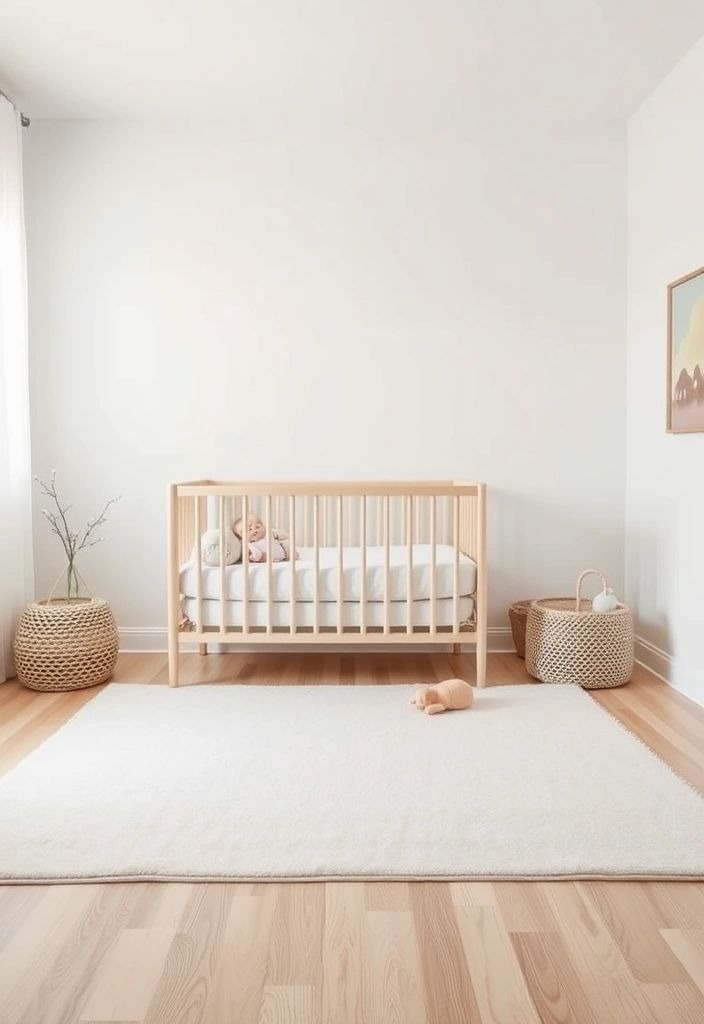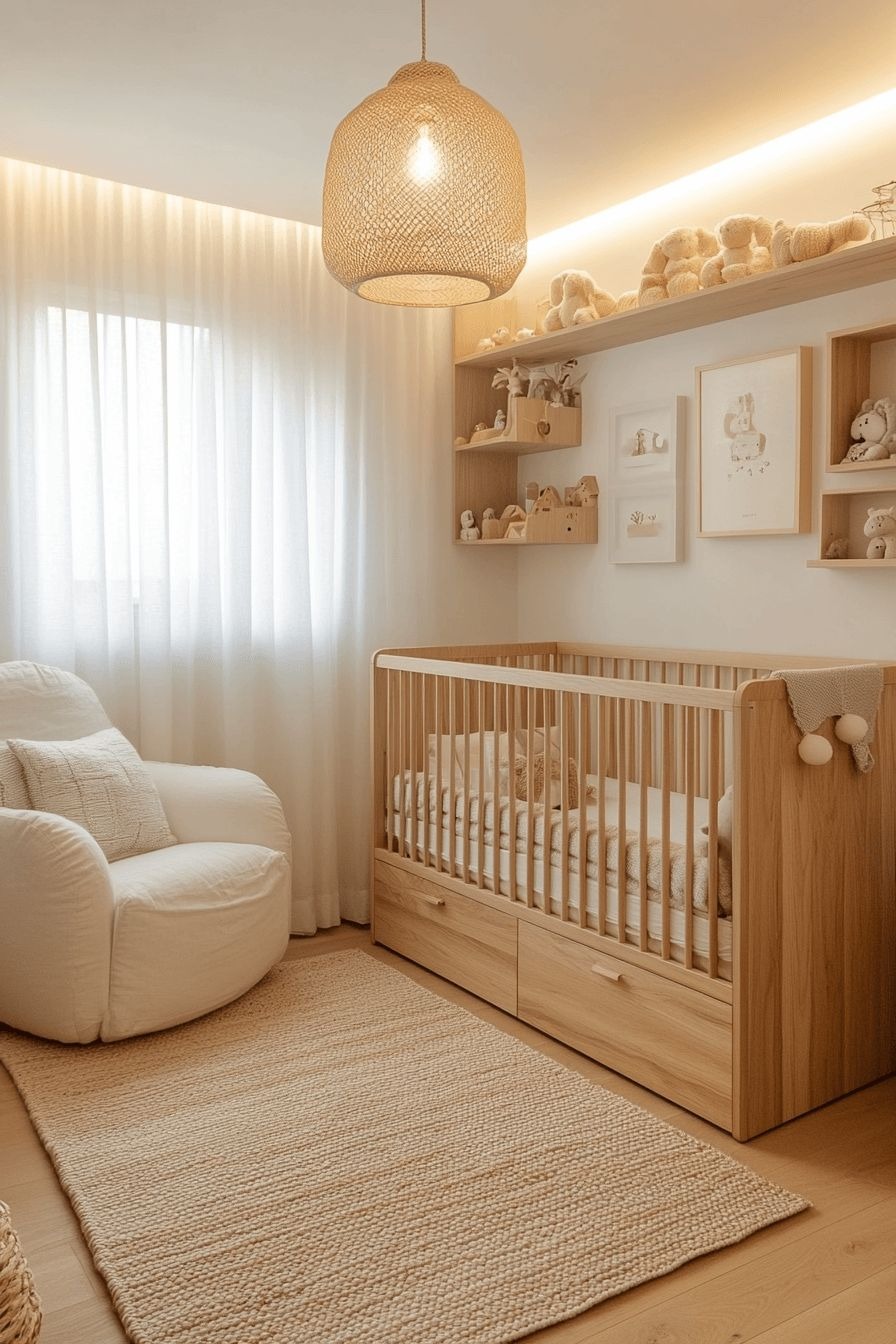
To design a healthy, non-toxic nursery for Canadian babies, you should choose low emission paints, select solid wood furniture finished with natural products and use an organic crib mattress made without synthetic foams. These choices help reduce indoor pollutants and create a comfortable, safe space where your baby can sleep and play. Health Canada notes that materials like composite wood, glues and certain finishes can release formaldehyde and other VOCs into indoor air, which is why choosing low-emission products in a nursery is so important.
Canadian homes are often closed tightly for long periods during the winter, which means indoor air quality matters a great deal. A nursery built with simple, natural materials supports a cleaner environment and offers long term durability.
What a non-toxic nursery involves
A non-toxic nursery focuses on materials that contribute as little as possible to indoor air pollution. Many common products release volatile organic compounds as they age. Choosing natural alternatives helps limit these emissions. Indoor air quality research consistently highlights VOCs from paints, finishes and furnishings as major contributors to indoor pollution in homes.
For example, a standard nursery might use composite wood furniture and synthetic foam products. A healthier version uses solid wood furniture, natural finishes and textiles made from cotton or wool. These materials hold up well over time and have fewer chemical additives.
Why non-toxic design matters for Canadian families
Babies spend many hours each day in their nursery and are more sensitive to indoor pollutants because their bodies are still developing. In a well insulated Canadian home, chemicals released from paints, adhesives and furnishings can accumulate if the materials are not chosen carefully.
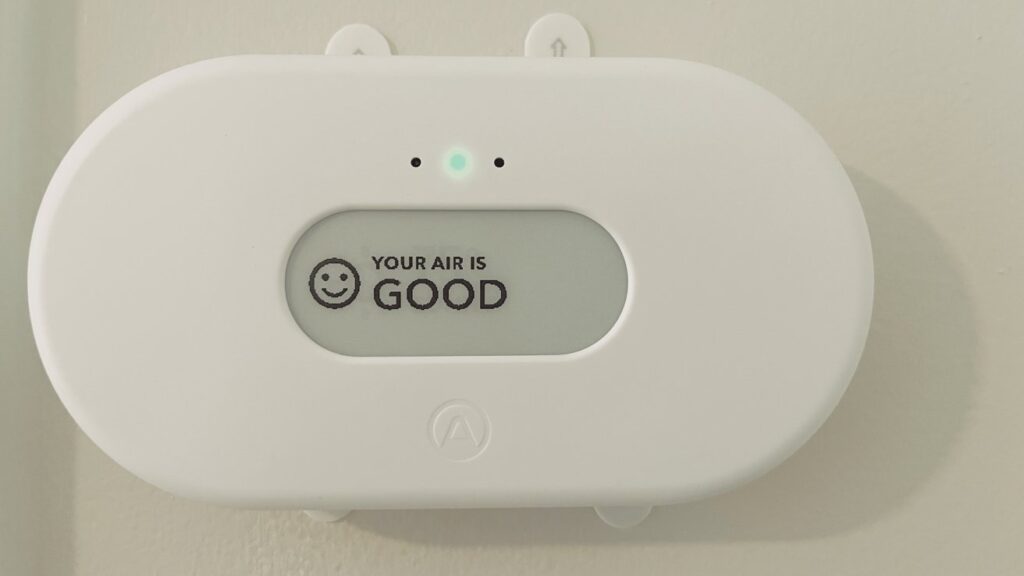
Reducing exposure at the source is the most effective approach. Selecting materials with low emissions improves air quality, reduces odors and creates a space that feels calm and clean. For families living in climates with long heating seasons, these improvements support both comfort and health. Parents who track air quality in their baby’s room also share practical strategies and product choices in community discussions, such as this thread on optimizing nursery air quality.
Comparing standard and non-toxic options
Many nursery products look similar, but the materials and finishes differ greatly. The chart below outlines typical differences:
| Feature | Standard Nursery Item | Non-Toxic Alternative |
| Paint | Latex or oil based | Zero VOC, water based |
| Crib Material | Particleboard or MDF | Solid wood such as maple or birch |
| Mattress | Polyurethane foam | Organic cotton, wool or natural latex |
| Flooring | Vinyl or synthetic carpet | Hardwood, cork or a wool rug |
| Cost | Low to medium | Medium to high |
While natural materials can cost more at the start, they often last longer and can be reused or passed down. Solid wood furniture, in particular, maintains strength and appearance over many years.
Choosing suitable furniture and materials
When selecting items, clear labeling and reliable certifications help identify safer options.
Furniture made from solid wood is a strong base for a non-toxic nursery. Locally sourced hardwoods offer durability and lower environmental impact. Natural finishes, such as plant based oils and waxes, protect the wood without adding unnecessary chemicals.
Zero VOC paints help limit indoor emissions and are now widely available in many colors and finishes. Testing a small sample on the wall can help ensure the shade and finish meet expectations.
For mattresses, natural fibers such as cotton, wool and latex provide firm, breathable support. These properties matter because many common furniture items – including mattresses, cabinetry, and upholstery – can emit gases and chemicals into indoor air, a risk highlighted by Health Canada’s overview of pollutants from furniture and building materials.
Avoiding common mistakes in non-toxic design
A frequent mistake is assuming all second hand items are safer. While older furniture may have already released most of its emissions, it may not meet current safety standards regarding spacing or structural stability. Before using any used item, confirm that it meets modern safety guidelines.
Soft plastics are another area to watch. Items such as vinyl decals, certain changing pads and low cost curtains can contain additives that break down over time. Choosing cotton, wool or silicone based alternatives reduces the presence of these materials in the room.
Discussion: Considering product claims and practical needs
Many nursery products carry labels suggesting that they are eco conscious. Some of these claims are meaningful, while others are simply marketing. Focusing on major surfaces and items that see daily use often provides the most benefit. Paints, crib materials and the mattress are the primary contributors to indoor air quality. Selecting well made products in these categories gives the nursery a healthy foundation.
Accessories and decorations matter less and can be added gradually in natural materials that suit the room’s design.

Frequently Asked Questions
1. How can I prioritize nursery upgrades when I have a limited budget?
Begin with the items that influence air quality the most. Zero VOC paint and a natural fiber mattress provide immediate benefits and set a solid baseline. Solid wood furniture with simple natural finishes is often available at reasonable prices and adds durability without relying on synthetic materials.
2. What should I look for when choosing safe flooring for a baby’s room?
Pick materials that stay clean easily and avoid trapping dust. Hardwood and cork work well for this purpose. If extra softness is needed, a washable rug made from cotton or wool adds comfort without bringing synthetic backing or chemical odors into the room.
3. How do I select furniture that fits a non-toxic nursery without compromising safety?
Choose solid wood pieces built to current safety standards. Natural oils or waxes protect the surface without adding unnecessary chemicals. Checking that the crib slat spacing, hardware and structure meet modern guidelines ensures the room stays both healthy and secure.
4. What should I consider before choosing an organic crib mattress?
Organic mattresses use natural fibers and avoid polyurethane foams. They provide firm support and maintain good breathability, which benefits sleep quality. They can be heavier than standard options, so confirming a snug, safe fit in the crib is an important step.
Conclusion
Designing a healthy, non-toxic nursery for Canadian babies begins with thoughtful choices about the materials used in the space. Solid wood furniture, natural finishes and low emission paints create a comfortable environment that supports better indoor air quality. By focusing on the largest and most important items first, parents can build a nursery that is both safe and welcoming.