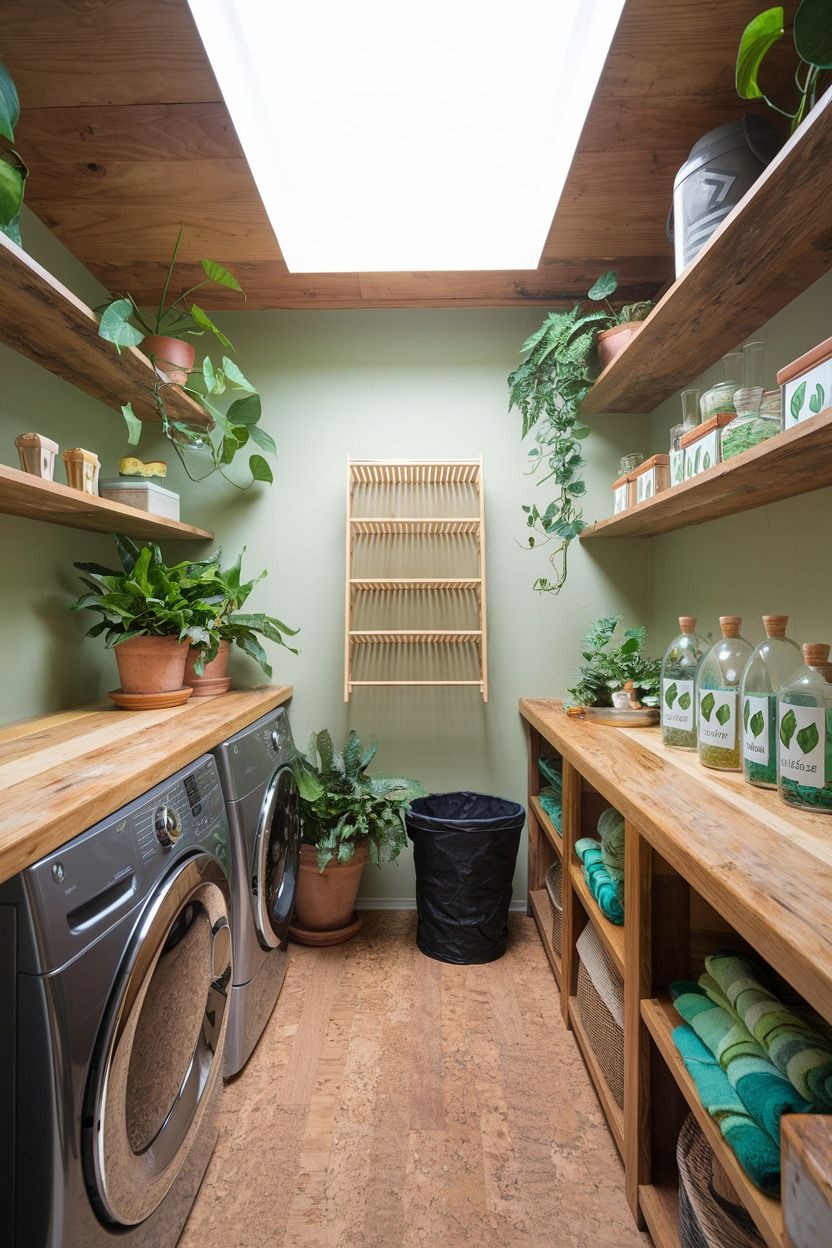
To make eco-friendly laundry room upgrades for Canadian households, you should choose efficient appliances, limit water and energy use and select products that reduce chemical and microplastic pollution. These steps help lower household resource consumption while supporting cleaner indoor air and healthier waterways. According to Natural Resources Canada, modern ENERGY STAR clothes washers use significantly less energy and water than older models, making them a strong starting point for eco-friendly upgrades.
Laundry spaces are often overlooked when planning sustainable improvements, yet they can significantly influence a home’s environmental footprint. Thoughtful upgrades, even small ones, can make the room more efficient and easier to maintain.
What an eco-friendly laundry room includes
An eco-friendly laundry room is designed to reduce the impact of everyday laundry tasks. It uses appliances that rely on less energy and water and incorporates materials and products that minimize emissions.
In Canada, this often means pairing a high efficiency front load washer with a heat pump dryer. Additional features, such as microfiber filters that capture plastic fibers from synthetic clothing, help limit pollution entering local waterways. Research summaries from the University of Minnesota highlight how each load of laundry can release millions of microplastic fibers and how add-on filters can reduce that pollution.
Why these upgrades matter
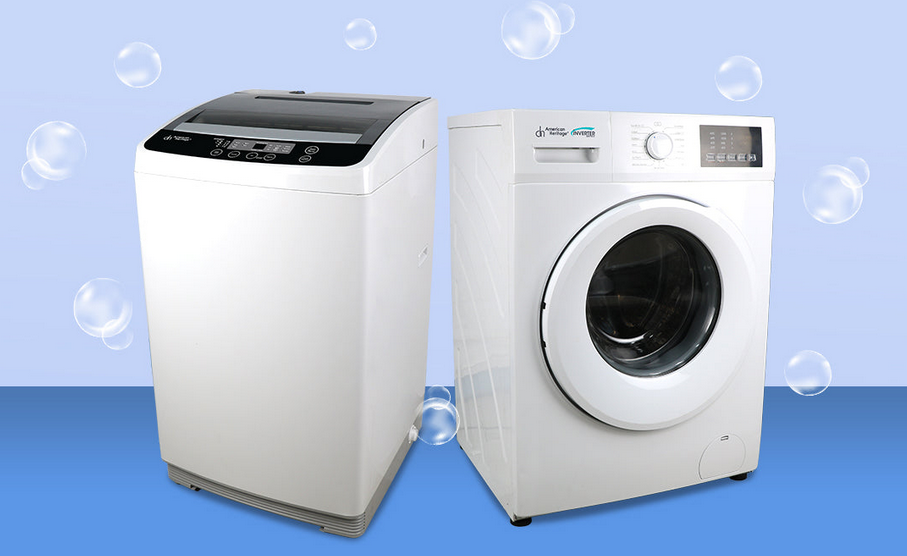
Laundry machines consume notable amounts of water and electricity. Top load washers can use far more water than necessary, and conventional dryers rely on high heat, which increases energy demand. Selecting efficient models reduces this consumption.
Synthetic textiles shed small plastic fibers during washing. Without filtration, these fibers pass into household drains and local water systems. Installing a filter in the laundry room is an effective way to intercept this waste. Reducing harsh detergents and scented products also improves indoor air quality and lowers exposure to unnecessary chemicals. Homeowners also share practical, day-to-day strategies for dealing with microplastics from clothing in this ZeroWaste community discussion.
Comparing common eco-friendly upgrades
Homeowners can choose from a range of upgrades. The table below provides a general comparison:
| Upgrade | Initial Cost | Eco Impact | Complexity |
| Heat pump dryer | High | Very high | Moderate |
| Microfiber filter | Low to medium | High | Easy |
| Tankless water heater | High | High | Hard |
| Wool dryer balls | Very low | Moderate | Very easy |
| Greywater system | Very high | High | Hard |
Heat pump dryers stand out for their lower energy use and gentle operation, which can extend the lifespan of clothing. Microfiber filters offer strong environmental benefits at a modest cost.
Choosing suitable appliances and products
When selecting new appliances, efficiency ratings provide helpful guidance. Energy efficient washers with high performance scores use less water and electricity and operate quietly. Ventless heat pump dryers recirculate warm air rather than exhausting it outdoors, which is useful during Canadian winters.
Detergents made in concentrated formats or powders reduce packaging waste and often come in recyclable or compostable materials. These products are designed for effective cleaning in cold water, helping reduce energy needed for water heating.
Microfiber filters installed on the washer’s drain line capture fibers before they enter plumbing. For households unable to modify plumbing, wash bags made from durable mesh provide an alternative.
Common mistakes to avoid
- Oversized appliances lead to unnecessary water and energy use. Selecting a washer and dryer sized to match weekly laundry habits helps avoid waste.
- Another common issue is relying on hot water for most loads. Modern detergents perform well at lower temperatures. Cold water washing significantly reduces energy consumption without sacrificing cleaning results.
- Floors made from vinyl or similar materials can release compounds over time. Choosing cork, tile or natural linoleum offers durability with fewer emissions.
Discussion: Considering advanced water reuse systems
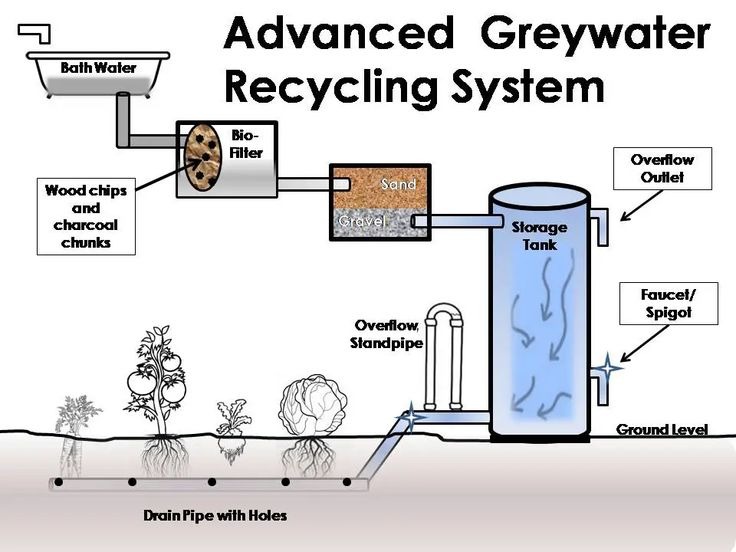
Greywater systems, which reuse laundry water for tasks such as irrigation, offer substantial water savings. In many Canadian regions, installing such systems requires careful planning and approvals to ensure proper handling and storage. For rural or off grid homes with septic systems, greywater diversion can reduce strain on the system. For most urban households, simpler upgrades often provide similar benefits with fewer installation challenges.
Frequently Asked Questions
1. How can I choose a washer and dryer that actually reduce my home’s energy and water use?
Look for high efficiency front load washers and heat pump dryers with strong performance ratings. These machines use less water, operate at lower temperatures and maintain good cleaning and drying results. Matching the appliance size to your household’s weekly laundry needs prevents unnecessary resource use.
2. What should I consider when selecting safe, durable flooring for a laundry room?
Choose materials that stay stable around moisture and avoid unnecessary emissions. Cork, tile and natural linoleum handle frequent cleaning well and do not introduce chemical odors. They also stand up to the weight and vibration of laundry appliances.
3. How can I reduce microfiber pollution from synthetic clothes in a practical way?
Install a microfiber filter on the washer’s drain line or use a sturdy wash bag designed for fiber capture. These solutions intercept most fibers before they reach household plumbing. They require simple upkeep and work well for daily laundry routines.
4. What should I review before deciding on a tankless water heater for laundry use?
Confirm that the unit can supply enough hot water during peak household demand. Tankless systems eliminate standby losses and provide continuous hot water when sized correctly. Checking flow rates and expected usage helps ensure reliable performance.
Conclusion
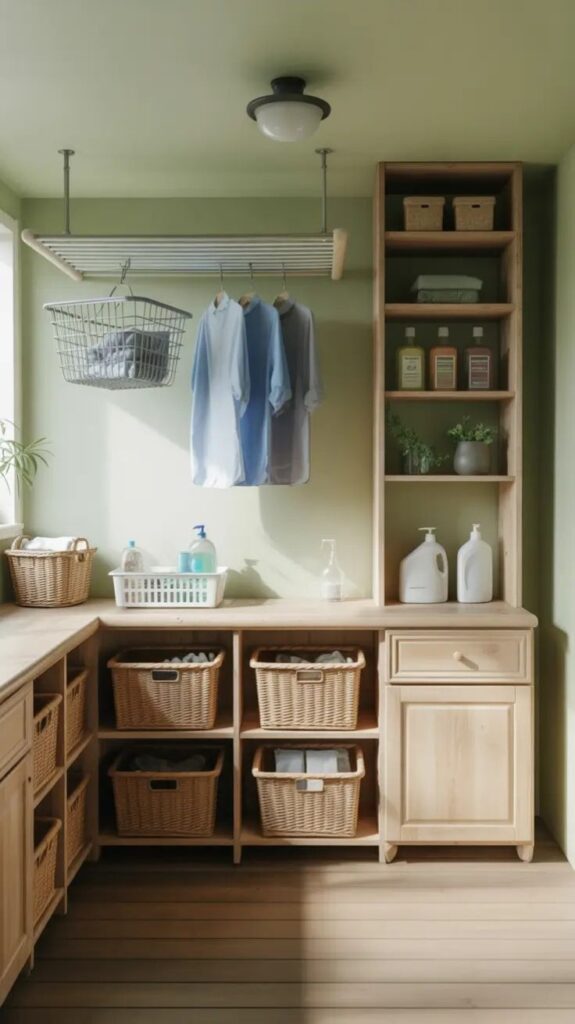
Eco-friendly laundry room upgrades for Canadian households offer meaningful reductions in water, energy and chemical use. Whether the focus is on efficient appliances, improved filtration or safer everyday products, each choice supports a cleaner home and environment. Beginning with a few targeted changes helps build a laundry space that performs well and aligns with long term sustainability goals.