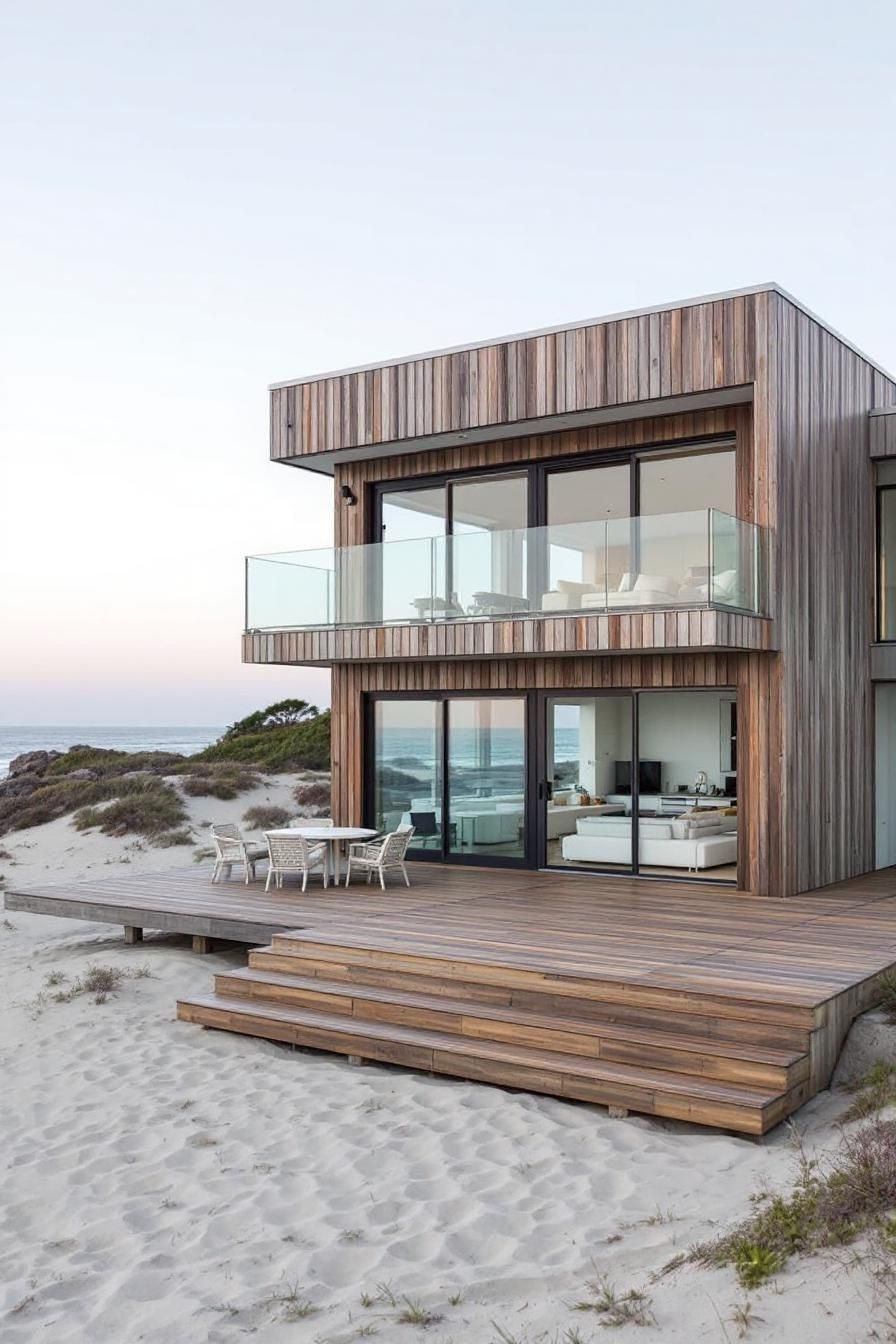
o use eco-friendly home design ideas in Canadian coastal communities, you should focus on durable natural materials that resist salt and moisture, orient the home to capture sunlight and reduce heat loss, and choose foundations that lift the structure above potential flood levels as recommended by Canada’s Climate-Resilient Coastal Communities Program. These steps help create homes that remain efficient and resilient in the challenging conditions found along Canada’s Atlantic and Pacific shorelines.
Coastal regions offer a distinct climate. Strong winds, salt in the air and high humidity place steady pressure on building materials. When the design responds to these conditions, a coastal home can stay comfortable, efficient and long lasting.
What eco-friendly coastal design means
Eco-friendly coastal design involves selecting materials and construction methods that stand up to marine conditions while reducing environmental impact. It emphasizes a stable building envelope, durable finishes and thoughtful placement of windows and doors.
Locally sourced wood is often used in coastal regions because it has a low environmental footprint, and many species naturally resist rot. Shingle cladding made from coastal softwoods weathers well, protects the structure and avoids the need for synthetic coatings. These choices reduce maintenance requirements and keep the home’s carbon footprint low.
Why sustainable design matters for coastal living
Homes near the water experience stronger storm systems and higher moisture exposure than inland homes. Durable, renewable materials reduce the need for frequent repairs. Careful structural design limits damage during storms and provides better long term value.
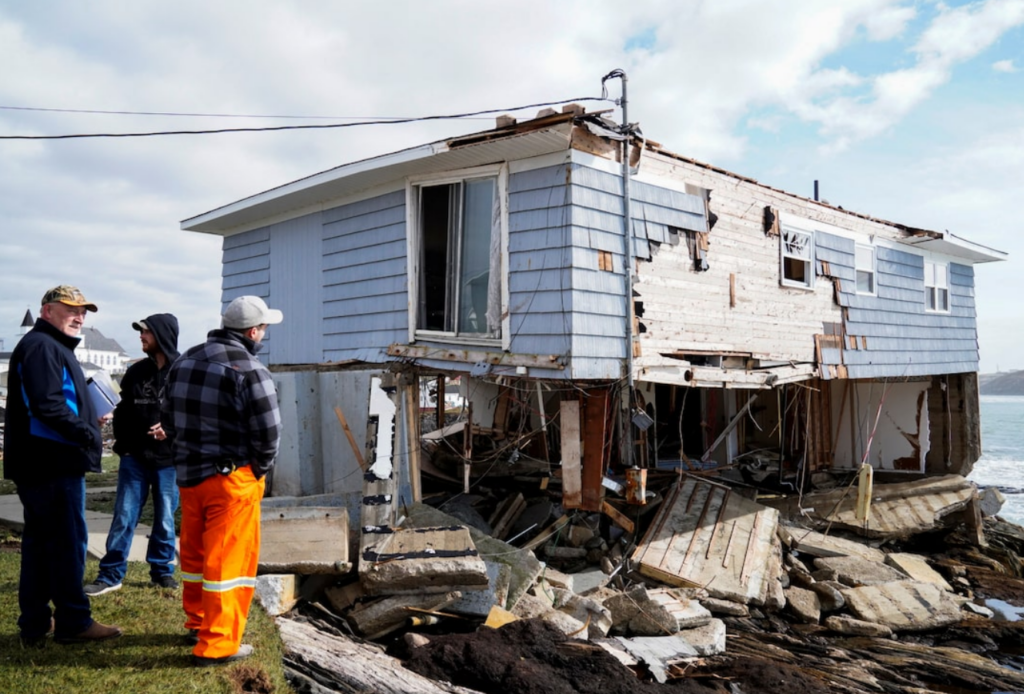
Energy efficiency is also important. Coastal climates can be damp and cool for much of the year, which increases heating demand. When the layout, insulation and window placement are chosen with these conditions in mind, indoor comfort improves and energy consumption decreases consistent with ASHRAE-recommended energy-performance guidance. This supports both environmental goals and long term durability.
How common exterior materials compare
The exterior cladding and structural materials face the most exposure. Below is a comparison of several options commonly used in coastal regions:
| Material | Sustainability | Salt and Moisture Resistance | Maintenance Needs |
| Western Red Cedar | High | Excellent | Moderate |
| Vinyl Siding | Low | High | Low |
| Fiber Cement | Moderate | Good | Moderate |
| Concrete or Stucco | Low | Moderate | Low to Moderate |
Natural wood like cedar or larch offers strong environmental benefits and performs well beside the ocean. Its natural oils resist decay, and it can age gracefully without synthetic coatings. Synthetic materials may offer lower routine maintenance, but they often come from nonrenewable sources and have higher disposal impacts.
Choosing an efficient layout and orientation
A well planned layout helps reduce heating needs in coastal climates. Aligning the home to take advantage of southern light allows the main living spaces to benefit from passive solar gain. High quality triple glazed windows on the south side can bring in warmth, while smaller openings on the north side help prevent heat loss.
Ventilation is another key factor. Coastal humidity can cause issues if moisture accumulates. Designing for natural cross ventilation helps manage indoor air quality without relying entirely on mechanical systems. Overhangs and covered outdoor spaces protect walls and windows from driving rain and extend the life of exterior finishes.
Mistakes to avoid in coastal eco-design
- Salt exposure affects hardware, fixtures and some window materials. Standard metal fasteners and untreated aluminum components can deteriorate quickly, moisture and corrosion issues similar to those described in University-extension research on moisture in damp building envelopes. Using stainless steel fasteners and durable wood or fiberglass window frames improves longevity and energy performance.
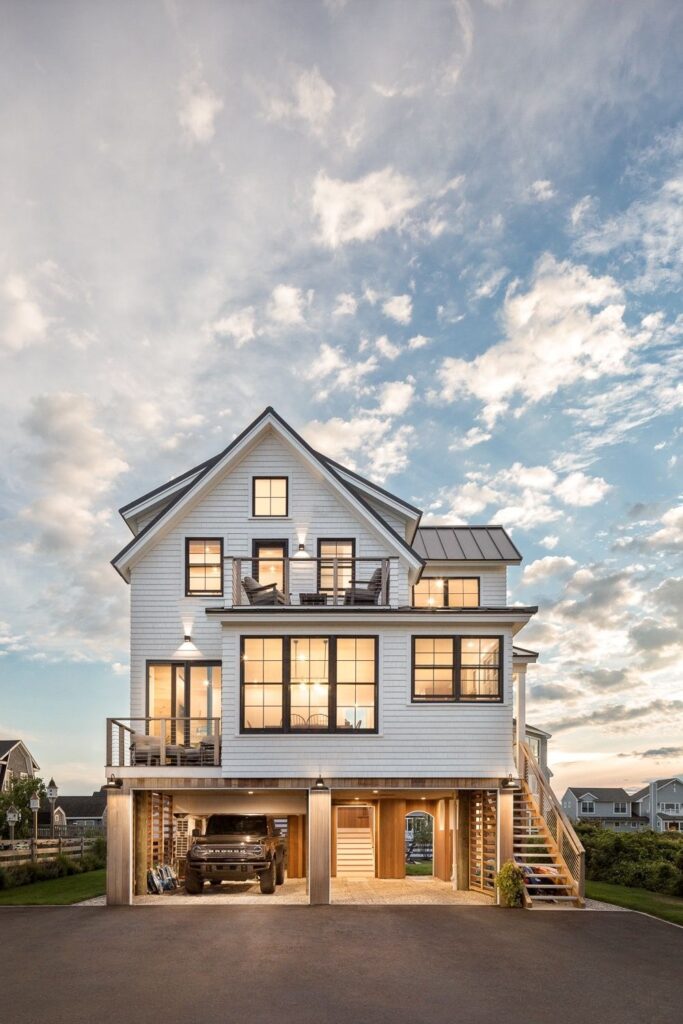
- Building directly on the ground can increase the risk of water damage during coastal storms. Elevated pier or pile foundations allow water to pass underneath the home during surge events and reduce disturbance to nearby vegetation. Supporting natural ground cover helps stabilize soil and limits erosion around the structure.
Discussion: Balancing coastal views and efficiency
Homes built near the ocean often feature large windows to capture the view. However, extensive glazing can increase heat loss during colder months if it is not placed strategically.
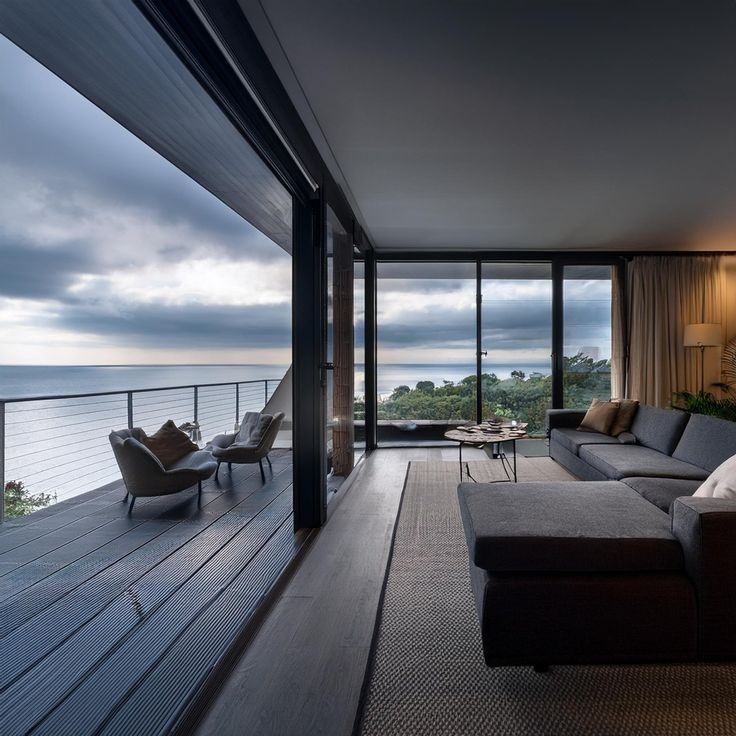
High performance glazing, insulated window units and transitional spaces like sunrooms can preserve the coastal outlook without sacrificing comfort, something frequently discussed by homeowners building in humid coastal climates. These design choices create a balanced approach that supports both aesthetics and energy performance.
Frequently Asked Questions
1. How do I choose wood that can handle salt, humidity and long-term exposure on the coast?
Select species that naturally resist decay and stay stable in damp conditions. Western Red Cedar and Douglas Fir remain reliable choices because they hold up well without heavy chemical treatments. A breathable stain helps the wood dry properly and keeps maintenance predictable.
2. What foundation types work best for coastal properties with high moisture and potential flooding?
Pier or pile foundations perform well in these environments because they keep the structure elevated and limit contact with wet ground. Local flood maps and soil reports guide the height and spacing. This approach also helps protect surrounding vegetation and reduces erosion.
3. How can I make large coastal windows energy efficient without giving up natural light and views?
Place the largest windows where they can capture light while limiting heat loss. High performance glazing and insulated frames keep the space warm during colder months. Transitional areas like covered decks or sunrooms protect the openings and help maintain comfort.
4. What should I keep in mind when planning a green roof in coastal weather?
Strong coastal winds require stable planting and secure soil layers. Hardy native grasses settle well and stay resilient through storms. A proper waterproof membrane and drainage layer ensure the roof performs reliably over time.
Conclusion
Using eco-friendly home design ideas in Canadian coastal communities supports long term resilience and sustainability. Durable natural materials, careful attention to orientation, and protective foundations help homes stand up to salt, wind and moisture while remaining efficient and comfortable. Thoughtful coastal design works with the local environment, creating homes that can serve future generations well.