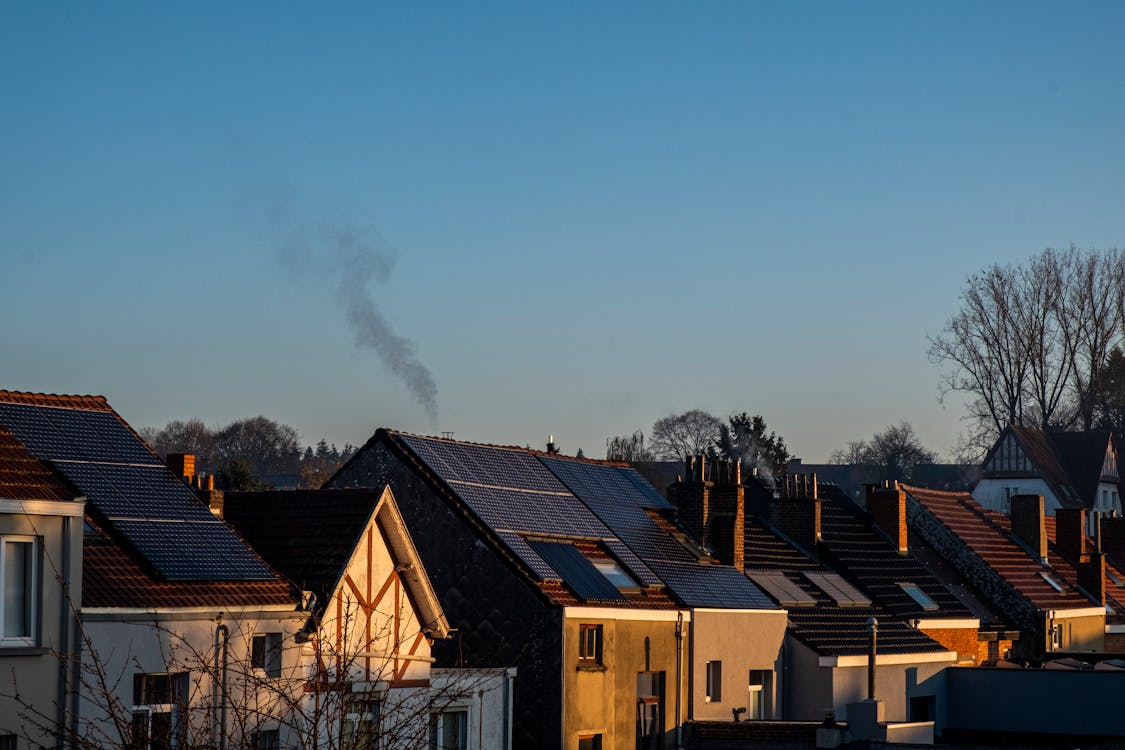
To get started with solar panels on Canadian homes and cottages, you should begin with a clear assessment of your site’s sunlight exposure, size your system based on current and future electricity needs and choose equipment that performs reliably in snowy and cold conditions. These steps help ensure that a solar installation produces consistent energy and supports long term sustainability across different Canadian climates. For more technical guidance on planning residential PV in Canada, homeowners can review Natural Resources Canada’s solar photovoltaic tools and maps.
Solar has become a practical option for both suburban homes and remote cottages. Even with shifts in national programs, the long term value of producing clean electricity onsite remains strong. A thoughtful approach to design and installation allows homeowners to gain reliable power while reducing their environmental footprint.
Understanding grid tied and off grid systems
Solar systems fall into two main categories:
- Grid tied systems connect directly to the local utility. When panels generate more electricity than the home is using, excess power flows back to the grid and is credited to the homeowner. This setup suits most urban and suburban properties.
- Off grid systems operate independently and rely on batteries to store energy for use at night or during cloudy stretches. These systems are common for remote cottages where grid access is limited. Because winter daylight hours are short, off grid arrays often need more panels and larger battery banks to maintain power year round. This design challenge is reflected in broader statistics on how solar power is deployed across Canadian regions.
Why solar matters for Canadian properties
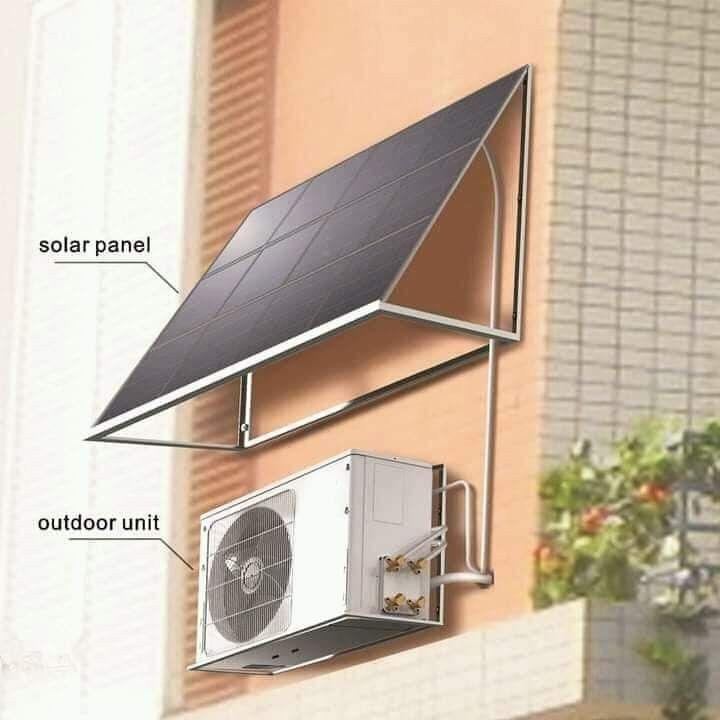
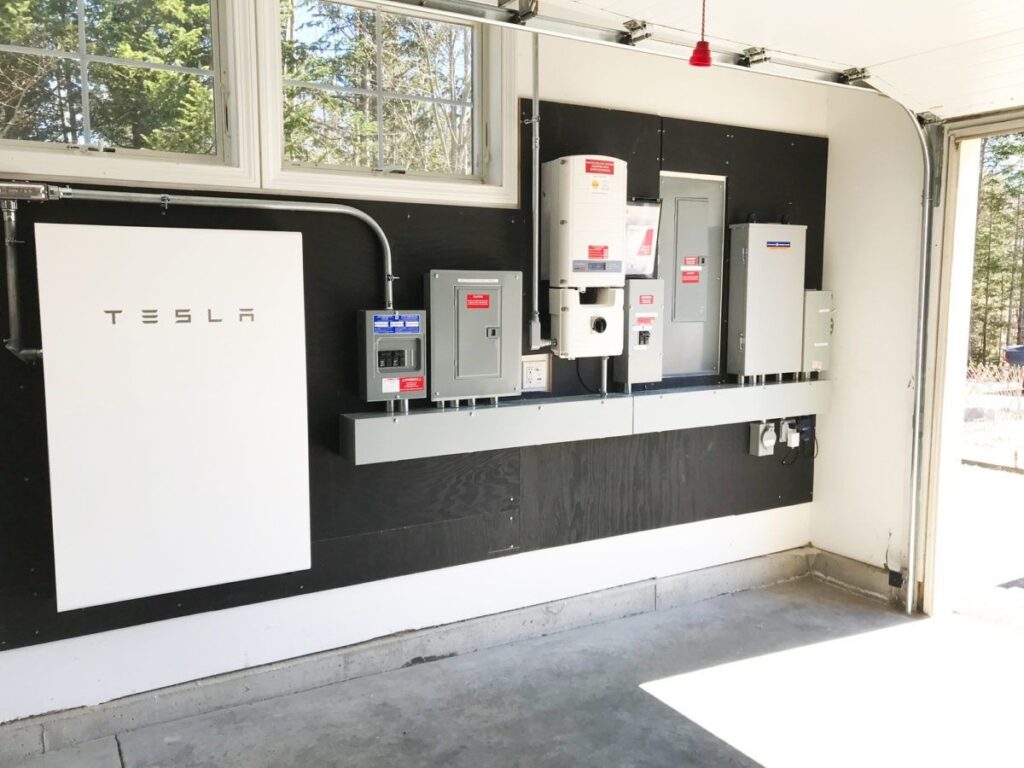
Rising electricity rates make solar an appealing long term investment. Once installed, a solar system produces electricity for decades at predictable cost. For cottages, solar also provides energy security during outages caused by storms or fallen lines. With a battery backup, essentials like lighting, refrigeration and water pumps continue to operate. Real-world examples from cabin and cottage owners in Canadian winters show how mixed solar and backup systems perform in practice.
A well designed solar system can also increase property value. Buyers increasingly look for features that lower operating costs and support a low carbon lifestyle.
Comparing provincial options and support
Regional incentives and net metering rules shape the financial picture. The following table outlines general conditions across several provinces:
| Province | Rebate Status (2026) | Net Metering | Cottage Eligibility |
| British Columbia | Available for primary residences | Yes | Limited to primary homes |
| Ontario | New regional incentives | Yes | Varies by utility |
| Prince Edward Island | Active solar rebate | Yes | Seasonal properties allowed |
| Nova Scotia | Transitioning program | Yes | Typically for primary homes |
| Alberta | Municipal programs vary | Yes | Varies by location |
Even where rebates are limited, net metering programs allow homeowners to offset electricity costs by sending excess solar energy back to the grid.
Choosing a qualified installer
Proper installation is essential in Canada’s varied climate. Installers should be familiar with local snow loads and wind conditions and should use racking systems sized for regional requirements, see municipal-level guidance on how to size roofs and mounting systems safely. Asking for multiple quotes helps ensure fair pricing and allows homeowners to compare system designs.
Protective measures, such as guards that prevent wildlife from nesting beneath the panels, are also important. These small additions help maintain wiring integrity and extend system life.
Common mistakes to avoid
- A frequent mistake at cottages is undersizing the battery bank. Winter production can be much lower than summer, so storage must be sized for shorter days. Reviewing seasonal usage patterns before choosing battery capacity is important.
- Another issue is installing panels on a roof that will need replacement soon. Removing and reinstalling a solar array adds unnecessary cost. Ensuring the roof has adequate remaining life avoids this problem.
- Leasing options can also create complications during property sales. Owning the system outright simplifies ownership transfer and provides clearer long term financial benefits.
Discussion: Considering self consumption and stored energy
Some homeowners now focus on maximizing the energy they use directly rather than exporting it. With certain utilities offering lower credits for exported electricity, storing excess solar production in a battery and using it during high demand periods can improve system performance. This approach increases resilience and supports predictable energy costs.
Frequently Asked Questions
1. How do I make sure a solar installation works well on my specific roof type?
Each roof needs hardware suited to its material and age. Metal roofs accept clamp mounts that avoid drilling, while asphalt roofs require secure flashing. Before installation, confirm the roof has enough remaining life to support the system for decades. A solid assessment prevents extra work and avoids unnecessary removal later.
2. How should I size a solar and battery setup for year round use at a cottage?
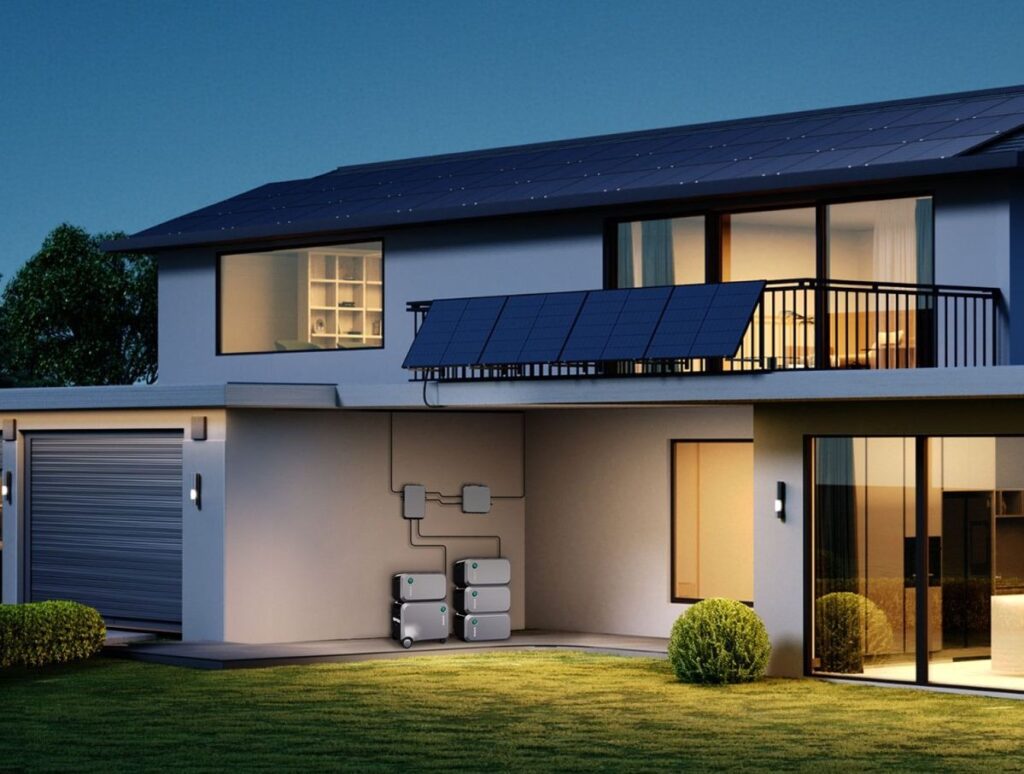
Seasonal production guides the design. Winter sunlight is limited, so cottages often need more panels and a larger battery bank than expected. Reviewing yearly consumption and understanding peak winter needs helps determine a system that stays reliable without repeated outages.
3. What features should I look for when choosing a solar installer in Canada’s climate?
Choose an installer who understands snow load requirements, regional wind conditions and proper racking for your area. A good installer also includes protective measures such as wildlife guards and clear cable routing. Comparing several proposals helps confirm that the system design and pricing are appropriate.
4. When do bifacial panels or east west layouts make sense for Canadian homes?
Bifacial panels work best where snow cover or bright ground surfaces provide strong reflected light. East west layouts suit homes that want steadier output during the day rather than one strong peak. The choice depends on roof shape, daily usage patterns and how much value the homeowner places on broad production across morning and afternoon.
Conclusion
Getting started with solar panels on Canadian homes and cottages involves careful planning, from assessing sunlight to selecting equipment that withstands winter conditions. With the right design, solar energy offers long term savings, increased resilience and a meaningful contribution to a sustainable lifestyle. Evaluating annual electricity use and contacting reputable local installers is a practical first step toward building a system that supports your home or cottage for years to come.