
To understand and improve your Canadian home’s EnerGuide rating, you should start with a professional evaluation to determine your current annual energy use in gigajoules, focus on improving insulation and air sealing and verify your progress with a post retrofit assessment. These steps give you a clear picture of your home’s performance and help guide the most effective upgrades. According to Statistics Canada’s table on household energy consumption by dwelling type, Canadian homes use significant energy each year, so even moderate efficiency gains can be meaningful.
The EnerGuide label is a practical tool for homeowners. It highlights where energy is being lost, which upgrades provide the best return and how your home compares to modern construction standards. Whether your house is older or recently built, understanding this rating helps create a more comfortable and efficient living space.
Understanding the EnerGuide rating system
The current EnerGuide rating expresses total annual energy use in gigajoules. A lower number reflects a more efficient home. The scale ranges from typical older homes, which often use more than 150 GJ per year, to Net Zero homes, which achieve 0 GJ. Broader analysis of Canada’s buildings sector by the International Energy Agency shows that improving insulation and heating systems can substantially reduce building energy demand over time.
During an assessment, an energy advisor examines insulation levels, heating and cooling systems and air leakage. A blower door test measures how much outside air enters the home through gaps and cracks. The evaluation results form the basis for recommended improvements.
Why your EnerGuide rating matters
A clear rating helps homeowners make informed decisions about renovations. Lower energy use often leads to greater comfort, as tight and well insulated homes maintain more even temperatures and experience fewer drafts. Many Canadian homeowners describe similar benefits and challenges when they share their EnerGuide energy evaluation experiences on Reddit.

The rating also supports access to various financial programs that require a verified assessment before and after upgrades. For buyers and sellers, an improved rating can enhance a property’s appeal and demonstrate reduced operating costs.
Comparing the old and current rating systems
Older EnerGuide labels used an efficiency score from 0 to 100. Higher numbers indicated better performance but did not reflect how much energy the home actually used. The current rating provides more precise and comparable information.
| Feature | Old Scale | Current Scale |
| Metric | Efficiency index | Annual energy consumption (GJ) |
| Goal | Higher number | Lower number |
| Comparability | Limited | Strong |
| Net Zero | Shown as 100 | Shown as 0 GJ |
Modern labels also include a “Reference House” estimate showing how a home built to today’s minimum code would perform, offering a useful benchmark.
Choosing effective improvements
Lowering a home’s energy consumption requires a coordinated approach.
- Air sealing is often one of the most cost effective improvements. Sealing gaps around windows, doors and attic hatches reduces heat loss and improves comfort.
- Upgrading insulation in attics, basements and exposed walls helps maintain stable indoor temperatures. In many climates, adding insulation to attic spaces offers especially strong benefits.
- Replacing older windows with energy efficient units supports better thermal performance. Modern triple glazed windows reduce heat loss significantly compared to older models.
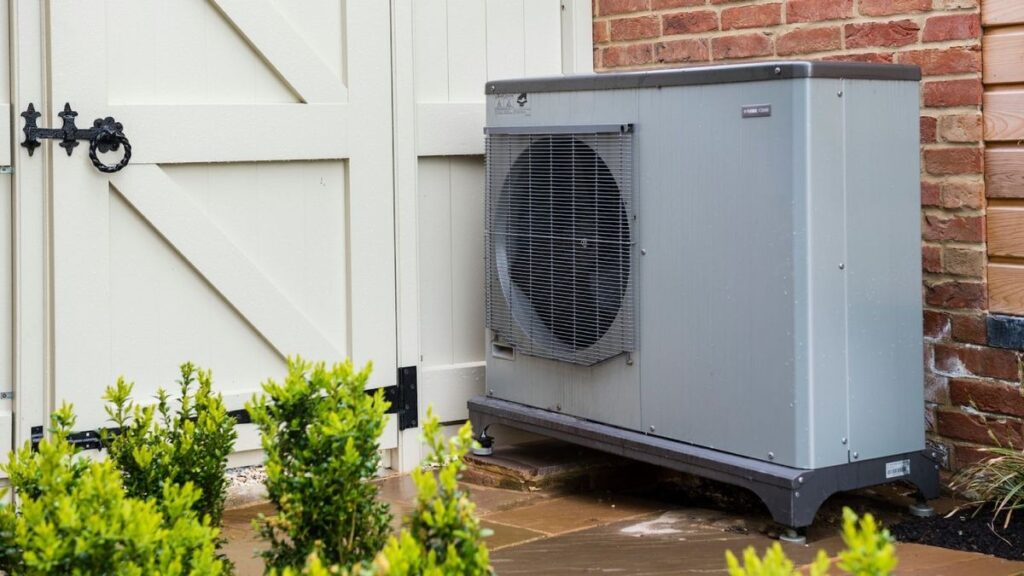
- Electrifying heating systems by installing a cold climate heat pump can reduce both energy use and emissions. These systems provide heating and cooling and operate efficiently even in colder regions.
Canada’s Keeping the Heat In guide explains how upgrades to insulation, air sealing, windows and heating systems work together to improve efficiency.
Common mistakes to avoid
- One common mistake is completing upgrades before the initial EnerGuide evaluation. Without a pre retrofit assessment, improvements cannot be documented, and eligibility for certain financial programs may be affected.
- Another issue is overlooking the advisor’s Renovation Upgrade Report. This document lists recommendations in order of impact. Skipping key steps, such as air sealing, in favour of less impactful upgrades leads to limited improvement in the final rating.
- Finally, installing advanced mechanical systems without improving the building envelope can lead to mismatched performance. A heat pump in a poorly sealed home, for example, may not deliver the expected energy savings.
Discussion: Considering energy use and emissions
The EnerGuide label provides information on both energy consumption and greenhouse gas emissions. A home heated with electricity may still consume energy but will often have lower emissions compared to one using oil or gas. Evaluating both numbers helps homeowners plan upgrades that support long term sustainability goals.
Frequently Asked Questions
1. How can I choose a reliable energy advisor for an EnerGuide assessment?
Select an advisor who is registered with an authorized service organization and has experience with homes similar to yours. Familiarity with your region’s building styles and typical issues helps ensure accurate recommendations and a clear upgrade plan.
2. Which upgrades usually make the biggest difference in lowering a home’s annual energy use?
Air sealing, attic insulation and improving basement insulation consistently deliver strong results. These upgrades reduce heat loss and help mechanical systems operate more efficiently. Once the building envelope is strengthened, high performance windows and heat pumps provide added value.
3. How should I use the Renovation Upgrade Report after the initial assessment?
Use it as your main guide. The report ranks improvements by impact and helps you plan upgrades in a practical order. Following this sequence allows each step to support the next and leads to measurable improvement in the final rating.
4. What costs should I expect during the EnerGuide assessment process?
Assessments involve a fee, but many programs offer partial reimbursement once the post retrofit evaluation is completed. This reduces the overall cost and makes it easier to move forward with recommended improvements.
Conclusion
Understanding and improving your Canadian home’s EnerGuide rating offers a clear path toward a more efficient and comfortable house. By establishing a baseline, following a coordinated upgrade plan and confirming results with a post retrofit evaluation, homeowners can reduce energy use and enhance long term value. Beginning with an assessment is a reliable first step toward planning effective improvements.