
To use an eco-renovation checklist for Canadian homeowners applying for rebates, you should begin with a pre-retrofit EnerGuide evaluation, confirm that all planned products and contractors meet program requirements and keep complete records of invoices, labels and photos. Following this sequence helps ensure that your upgrades qualify for available incentives and that the paperwork aligns with program rules. Additional federal guidance is available through Natural Resources Canada, which outlines how EnerGuide evaluations support rebate eligibility.
Energy efficient renovations can involve several steps, and rebate programs often have strict conditions. A clear checklist helps organize the process and reduces the chance of missing documents or completing work in the wrong order.
What an eco-renovation rebate checklist includes
An eco-renovation rebate checklist is designed to track the administrative tasks required to complete a funded retrofit. Unlike a typical renovation list, it focuses on tasks that rebate programs consider essential.
For many homeowners, the checklist begins with booking an energy advisor and confirming contractor credentials. It also includes gathering proof of existing equipment, reviewing eligibility, retaining product labels and submitting final documents within program timelines. This structured approach ensures each step supports the next. The EnerGuide framework explains how evaluations are performed and how results are used in Canadian rebate programs
Why a checklist matters when applying for rebates

Cheerful diverse couple writing in notebook near boxes before relocation
Rebate programs often require work to be completed in a specific order. If upgrades begin before the initial evaluation, some programs may decline the application. A checklist guides homeowners through the mandatory steps and helps avoid missed opportunities. Homeowners also share real-world application timelines and common pitfalls in this Reddit discussion about Canada’s Home Energy Rebate Plan.
Eligibility rules can also be detailed. Some incentives require specific efficiency ratings for windows or heating equipment. Confirming these requirements before purchasing materials prevents unnecessary expenses and ensures that installed products qualify.
Comparing current rebate programs
With national programs shifting in recent years, provincial and utility based incentives play a central role. The table below outlines general program characteristics in late 2026:
| Program Type | Target Audience | Key Requirement | Application Status |
| Federal OHPA | Oil heated homes | Switch to heat pump | Open |
| HER+ (Ontario) | Enbridge Gas customers | Pre retrofit audit | Active |
| CleanBC | BC Hydro or FortisBC customers | Licensed contractor | Active |
| LogisVert (Quebec) | Hydro Québec customers | Proof of purchase | Active |
| Greener Homes Loan | All homeowners | EnerGuide audit | Closed to new applicants |
Funding availability can change, so checking current program details before planning work is important.
Choosing upgrades that maximize rebates
Upgrades that improve the building envelope usually offer strong returns.
- Insulation and air sealing reduce energy loss and meet key criteria in many programs. Natural insulation materials, such as wood fiber boards, can combine performance with sustainability.
- High efficiency windows are another common category. Units with strong thermal ratings help reduce heat loss and often qualify for incentives.
- Heat pumps are central to several rebate programs. Proper sizing ensures the system can meet the home’s heating needs and helps verify compliance with program rules.
Mistakes to avoid during the rebate process
Removing energy performance labels from windows or equipment before the final inspection is a common issue. Advisors often need to see these labels during the post retrofit evaluation. Keeping them in place until the assessment is complete helps avoid delays.
Selecting unlicensed contractors can also affect eligibility. Many programs require installations to be performed by approved professionals. Using qualified contractors supports both safety and compliance.
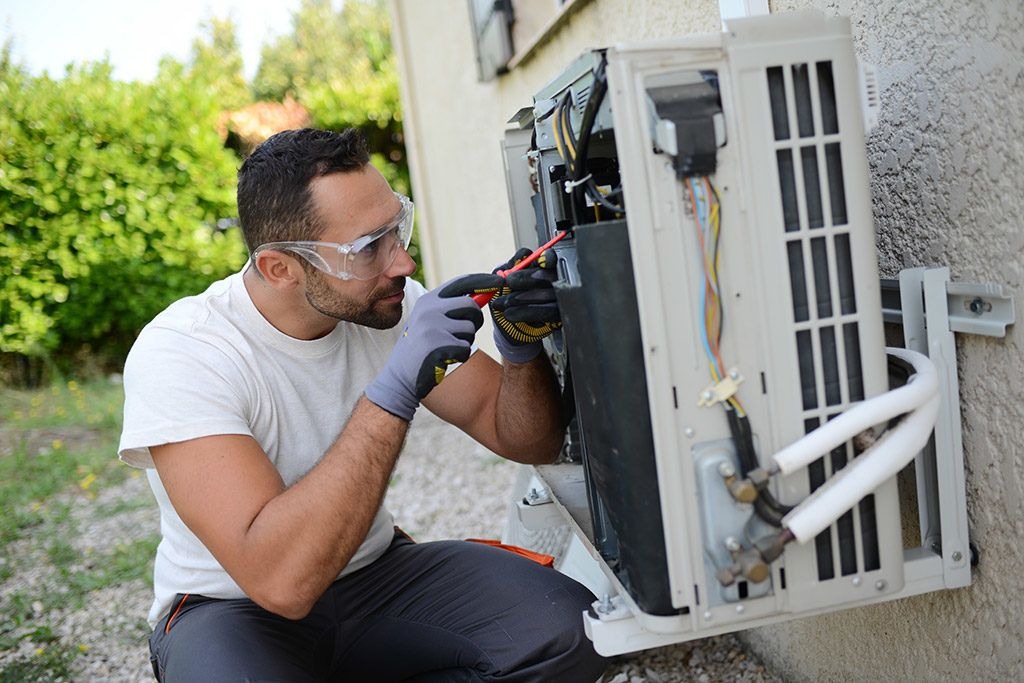
HVAC technician repairing outdoor air conditioner unit with tools
Discussion: Considering audit based and invoice based programs
Some rebate systems rely on a full EnerGuide evaluation. These programs take a whole home approach and may offer bonuses for combining multiple upgrades. Other programs use a simpler model where homeowners purchase eligible equipment and submit receipts.
Both paths have benefits. The audit based approach works well for homeowners planning multiple upgrades. The invoice based system is suitable for single improvements, such as replacing a water heater or installing a heat pump. Choosing the right path helps streamline the process.
Frequently Asked Questions
1. How can I organize my renovation steps so every upgrade qualifies for rebates?
Start by booking the pre-retrofit EnerGuide evaluation and use it as the anchor for the entire project. Confirm product eligibility before purchasing anything and keep all labels, invoices and photos in one place. This ensures each step matches program requirements and makes the final submission straightforward.
2. What should I review when choosing contractors for rebate-eligible work?
Check that the contractor is licensed for the specific upgrade and recognized by the program you plan to apply to. Verified experience with insulation, heat pumps or window replacements helps ensure the installation meets technical standards and avoids issues during the post retrofit inspection.
3. How do I decide which upgrades offer the best rebate value for my home?
Begin with improvements that reduce heat loss, such as air sealing, insulation and high performance windows. These upgrades consistently meet program criteria and support stronger final ratings. Heat pumps can also provide substantial rebate amounts when sized correctly for the home.
4. What documents should I keep to avoid delays during my rebate application?
Retain the energy labels on windows and equipment, store digital copies of all invoices and take clear photos before and after installation. These records help the advisor verify compliance and prevent missing information during final processing.
Conclusion

Modern energy-efficient home with rooftop solar panels at dusk
Using an eco-renovation checklist helps Canadian homeowners stay organized and meet the requirements of rebate programs. Following the proper sequence, confirming that products and contractors meet eligibility rules and keeping thorough documentation supports a smooth application. With careful planning, homeowners can complete energy saving upgrades that improve comfort and reduce long term operating costs.