
To adopt green lifestyle tips that actually lower utility bills in Canadian homes, you should focus on managing heating more efficiently, switching daily routines to cold water and off peak times and reducing unnecessary electricity use from devices left plugged in. These simple, low cost habits help trim energy use in a climate where heating and hot water account for much of a household’s utility costs. According to Natural Resources Canada, most residential energy in Canada is indeed used for space and water heating, which makes behaviour-focused changes especially impactful.
In many Canadian homes, day to day behaviour can influence energy consumption as much as equipment. Adjusting how you use heat, lighting and appliances often delivers noticeable savings without major renovations. Many Canadian homeowners report that simple behavioural changes, like using appliances less and shifting usage, noticeably reduce their bills, as discussed in this community thread on lowering electricity costs.
What are green lifestyle tips for energy efficiency?
Green lifestyle tips for energy efficiency are behavioral changes and low-cost adjustments designed to reduce waste. Unlike structural renovations – like adding insulation or replacing a roof – these tips focus on how you interact with your home. In a country where overall electricity consumption per person is among the highest globally, even small behaviour shifts can meaningfully reduce demand.
For example, this includes utilizing “passive solar” techniques: opening curtains on south-facing windows during a sunny winter day to let free heat in, and closing them at night to trap that warmth. It also involves simpler actions, such as air-drying clothes on a rack instead of running a dryer, or setting your dishwasher to run without the heated dry cycle. These actions require zero construction but offer immediate results.
Why do these tips matter for Canadians?

Canadian households face long heating seasons and rising energy costs. Small adjustments, when applied consistently, help manage bills during colder months and reduce strain on household systems. The International Energy Agency notes that low- or no-cost behavioural changes, such as turning down thermostats and using equipment more efficiently, can significantly cut household energy use while supporting wider decarbonization goals
These habits also support a healthier home environment. Controlling humidity, for example, reduces the likelihood of condensation or dry air affecting wooden fixtures and furniture. Lower energy use reduces emissions associated with electricity and heating fuels, contributing to broader sustainability goals.
How do lifestyle changes compare to structural upgrades?
It is important to understand the return on investment (ROI) of habits versus hardware. Here is how behavioral changes stack up against major retrofits:
| Strategy | Upfront Cost | Savings Potential | Time to See Results |
| Lifestyle Habits (e.g., turning down heat) | $0 | Low to Moderate | Immediate |
| Smart Tech (e.g., Thermostats/Plugs) | Low ($50-$300) | Moderate | 1-2 Months |
| Minor Retrofits (e.g., Caulking/Sealing) | Low | Moderate | Immediate |
| Major Upgrades (e.g., Heat Pumps/Windows) | High | High | Years |
While a major upgrade like installing triple-glazed windows offers superior long-term performance, lifestyle changes are the most accessible entry point for every homeowner and renter.
How to choose the right habits for your home?
Start by identifying your biggest energy consumers. In Canada, this is almost always heating and cooling.
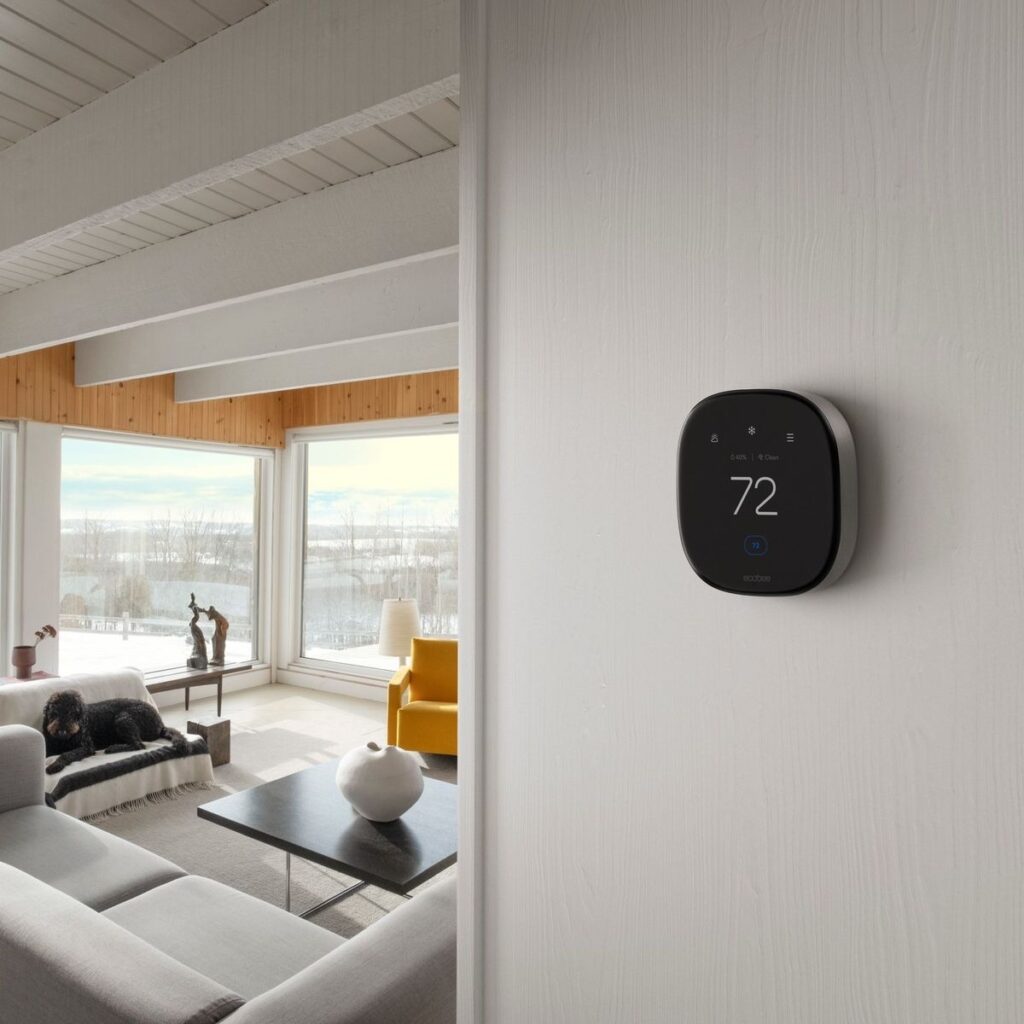
- Master the Thermostat: For every 1°C you lower your thermostat for eight hours (like at night or when you are at work), you can save up to 2% on your heating bill. Using a programmable or smart thermostat makes this effortless.
- Shift Your Water Usage: Water heating is the second largest expense. Wash clothes in cold water (which cleans just as well with modern detergents) and install low-flow aerators on faucets.
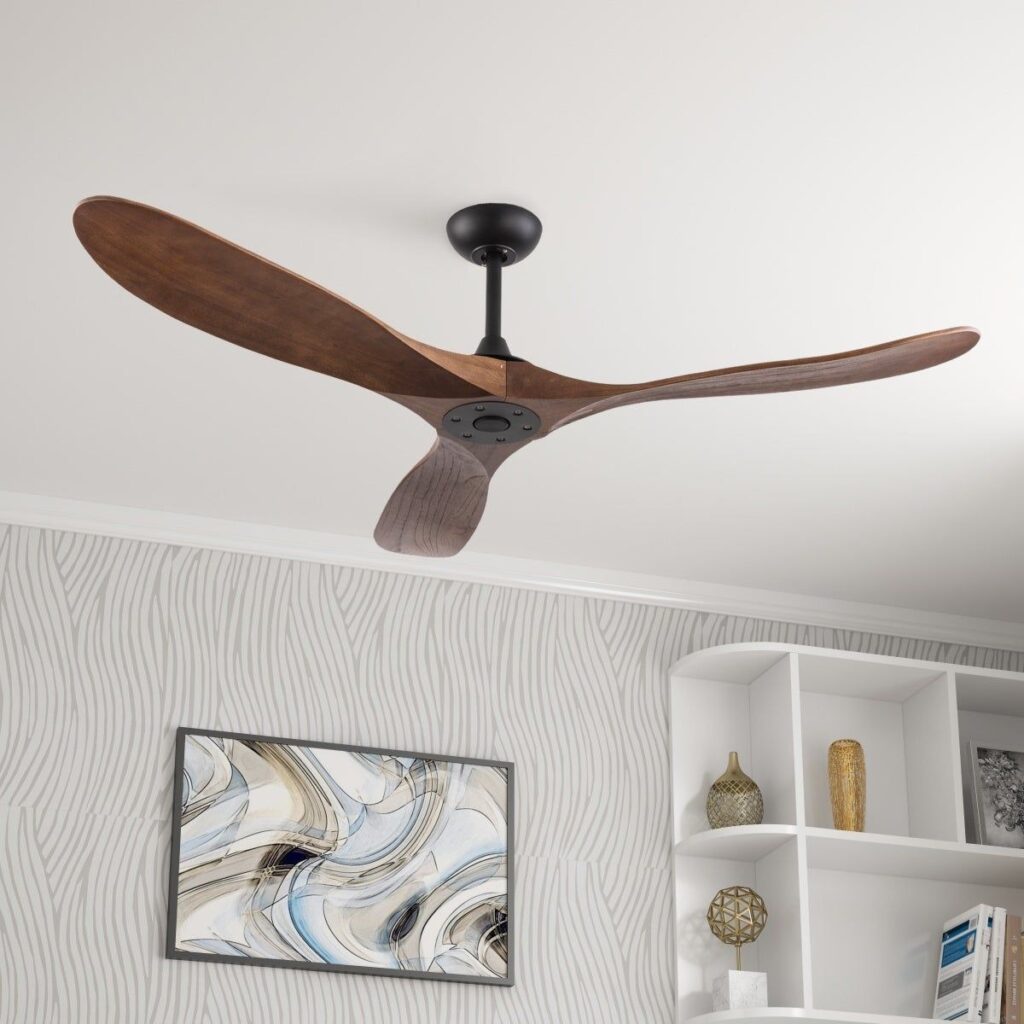
- Manage Airflow: Ensure vents are not blocked by furniture. In summer, use ceiling fans to circulate air, which allows you to set the A/C temperature higher while feeling just as cool.
What mistakes should you avoid with energy-saving tips?
A common mistake is misusing space heaters. Many people lower their central furnace temperature and then run multiple electric space heaters in different rooms. This is often far more expensive than simply heating the house with the central system, especially if the space heaters are inefficient resistance models.
Another error is ignoring “Phantom Power.” Electronics like TVs, gaming consoles, and coffee makers draw power even when turned off. This standby power can account for up to 10% of your electricity bill. Failing to plug these items into a smart power strip that cuts the flow completely is a missed opportunity for easy savings.
Discussion: The Comfort vs. Efficiency Balance
There is a frequent debate regarding how much comfort one should sacrifice for efficiency. Some extreme green lifestyle advocates suggest keeping indoor temperatures at 18°C (64°F) in winter and wearing heavy sweaters indoors. While effective for savings, this can lead to issues with moisture and mold if the air becomes too stagnant and cold on exterior walls.
The modern approach focuses on efficiency over sacrifice. Instead of freezing in the dark, the goal is to use technology – like LED bulbs and smart sensors – to deliver light and heat only when and where it is actually needed. This maintains a high quality of life while minimizing waste.
Frequently Asked Questions
1. How can I adjust my daily routines to lower heating and electricity costs without major changes?
Focus on simple habits that influence your largest energy loads. Lowering the thermostat during sleep hours, running laundry and dishwashing during off-peak times and choosing cold water for most washing cycles reduce monthly bills with little effort. These habits work well in homes where heating and hot water make up most energy use.
2. What should I keep in mind when choosing smart tools to support energy-saving habits?
Look for devices that automate routine tasks, such as programmable thermostats and smart plugs. These tools help manage heating schedules and reduce standby power from electronics. Choosing reliable models with clear controls makes the transition smoother and keeps the household comfortable.
3. How can I manage indoor humidity while trying to save energy in winter?
Monitor humidity and keep airflow active. Running bathroom exhaust fans after showers, keeping vents clear and using ceiling fans on low settings help maintain healthy air movement. These steps support comfort and prevent condensation issues while still controlling energy use.
4. What should I know before relying on air drying clothes indoors?
Air drying cuts electricity use and extends clothing life, but it increases indoor moisture. If your home tends to run dry in winter, this extra humidity can be helpful. If humidity is already high, place the drying rack in a well-ventilated area or use a dehumidifier to maintain stable conditions.
Conclusion
Adopting green lifestyle tips that lower utility bills in Canadian homes starts with simple choices. By managing heating habits, adjusting daily routines and reducing unnecessary electricity use, households can save energy and improve comfort without major expense. These everyday actions support broader sustainability goals and prepare homeowners for future efficiency upgrades.