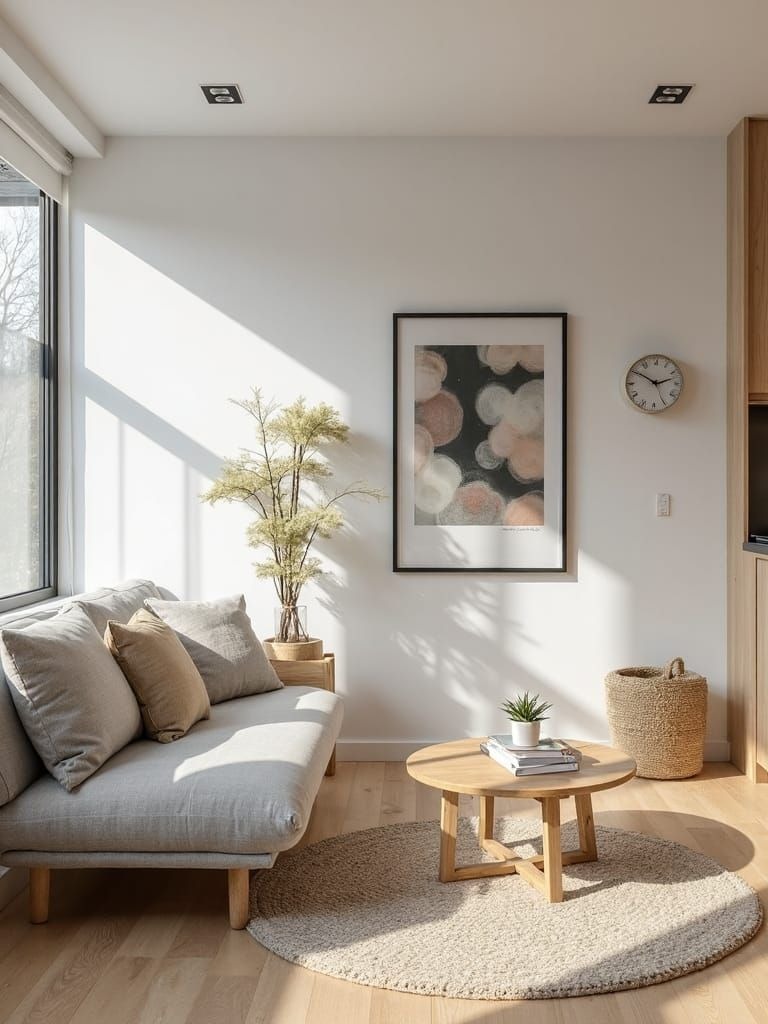
To adapt eco-friendly condo living tips for Canadian residents under strata rules, you should prioritize upgrades that fall within your unit’s boundaries, work with your condo board on building-wide improvements and follow all bylaws related to maintenance, waste and shared spaces. These steps help you lower your footprint while staying compliant with the regulations that govern multi-unit living, and you can find additional guidance on home energy efficiency in Canada at Natural Resources Canada.
Condos already offer efficiency advantages thanks to shared walls and compact layouts, but day-to-day sustainability choices still make a noticeable difference. Understanding what you can change inside your unit and what requires approval helps guide smart, practical decisions.
What eco-friendly condo living means under strata rules
Eco-friendly condo living within a regulated building involves balancing personal choices with the limits set by your strata or condo corporation. Your unit, often defined as the “strata lot,” allows for small changes such as efficient lighting and water-saving fixtures. Anything involving shared elements, such as windows, exterior walls or mechanical systems, falls under the board’s authority, and this type of whole-building approach is similar to the green building strategies highlighted by UBC Sustainability.
This structure means focusing on changes you can make independently while participating in conversations about long-term building upgrades.
Why does this matter for condo owners?
In many buildings, costs for heating, cooling and water are shared. Inefficiencies in common areas or building systems contribute directly to higher monthly fees. Improving efficiency inside your unit helps manage your personal utility use, while supporting building-wide improvements can reduce overall operating costs.
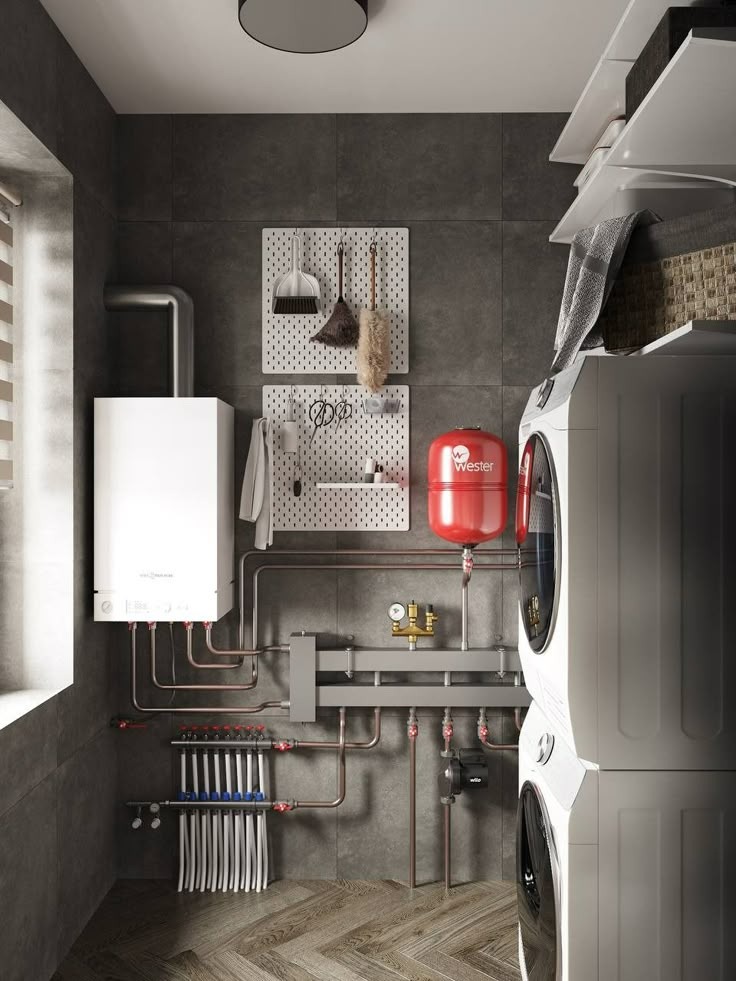
Regulations are tightening across several provinces, and older condos face rising expectations around energy performance. Buildings that plan ahead are in a better position to maintain value and avoid steep future expenses.
How do individual vs. building-wide upgrades compare?
Understanding the scope of what you can do versus what the board must do is crucial. Here is a breakdown of common eco-friendly actions in a condo context:
| Upgrade Type | Responsibility | Approval Needed? | Impact |
| Habit Changes (Cold wash, unplugging electronics) | Resident | No | Immediate (Personal Hydro Bill) |
| Minor Fixtures (Faucets, Smart Thermostats) | Resident | Maybe (Check Bylaws) | Moderate |
| Flooring (Sustainable Cork/Bamboo) | Resident | Yes (Soundproofing rules) | Low (Thermal) / High (Air Quality) |
| Windows & HVAC (Heat pumps, Glazing) | Strata Corp | Yes (Vote required) | Very High (Building Efficiency) |
While you may not be able to replace the drafty windows yourself (as they are common elements), you can install heavy thermal curtains to mimic the effect without breaking any rules.
How to choose the right upgrades for your unit?
Start by reading your condo’s “Declaration” or bylaws to confirm who is responsible for what.
- Lighting and Phantom Power: Switch every bulb to LED. This reduces heat output, lowering the load on your air conditioning in summer. Use smart power strips to kill power to entertainment centers when not in use.
- Water Efficiency: If your unit has individual water shut-offs, installing high-efficiency aerators on taps is a cheap, effective upgrade.
- The “Fan Coil” Check: If you want a smart thermostat (like an Ecobee or Nest), verify if your building uses a “fan coil” system. Many high-rise condos use high-voltage fan coils that are not compatible with standard residential smart thermostats without a specialized adapter kit.
Understanding these boundaries makes it easier to focus on upgrades that improve comfort and indoor air quality, which aligns with guidance from the World Health Organization.
What mistakes should you avoid with strata eco-tips?
Undertaking renovations without board approval is a common issue. Flooring changes, even when using sustainable materials, often require specific acoustic underlayments to meet sound standards. Missing this step can lead to costly rework.
Balcony use is another area governed by strict rules. While air drying clothing is energy efficient, many bylaws restrict this for aesthetic or safety reasons. Similarly, adding heavy planters or large garden setups can exceed weight limits.
Discussion: The “Right to Charge” Debate
A significant nuance in Canadian condo living today is the installation of Electric Vehicle (EV) chargers. In provinces like Ontario and B.C., regulations have shifted to make it harder for condo boards to unreasonably deny a resident’s request to install a charger. However, the cost of the installation and the electrical capacity of the building remain contentious issues.
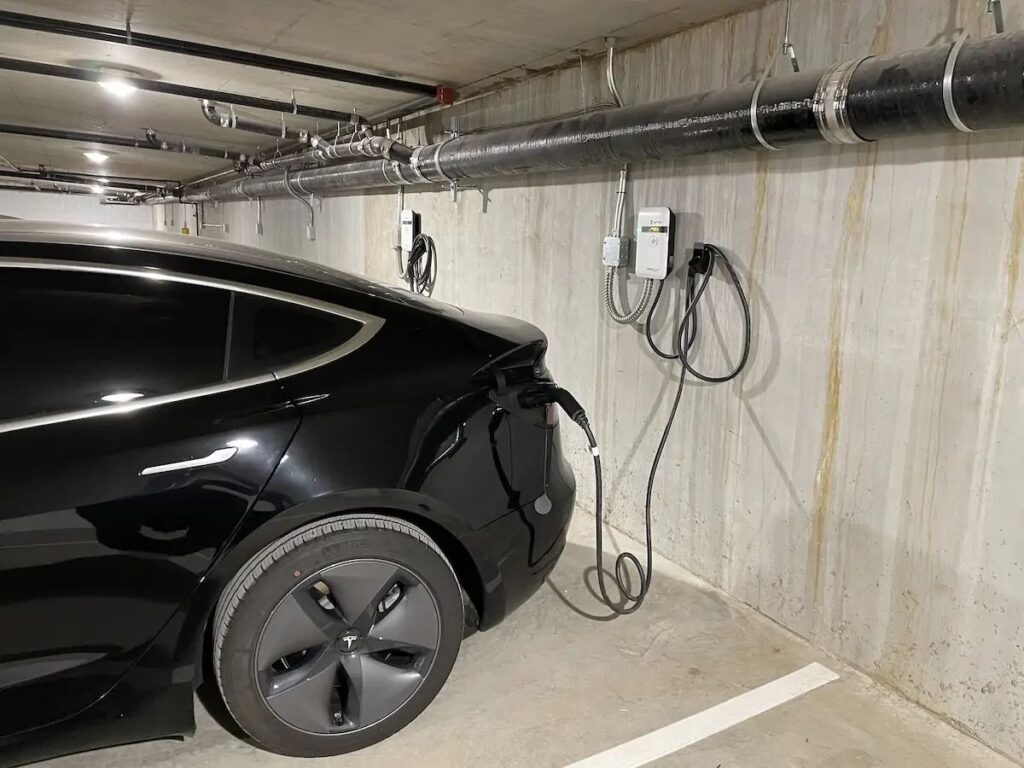
This has created a divide: some boards are proactive, installing shared “level 2” chargers, while others push the full cost onto the individual owner. The eco-friendly condo resident must often become a diplomat, educating neighbors on the long-term value of “EV-ready” infrastructure to get these projects approved.
Frequently Asked Questions
1. How can I request building-level upgrades when I don’t control common elements?
Start by documenting the issue with clear examples, such as drafts around windows or inconsistent heating. Present this information to the board along with quotes or technical notes from qualified contractors. This gives the board a practical basis for reviewing the upgrade and helps move the request through the proper channels.

2. What should I check before planning any eco-friendly improvements inside my unit?
Review the building bylaws and your unit boundaries. Many items, including thermostats, flooring and plumbing fixtures, have specific requirements. Understanding these rules early prevents delays, supports compliance and makes approval smoother when you submit a request.
3. How can I reduce my energy use in a condo without altering shared systems?
Focus on upgrades that stay within your unit. LED lighting, smart plugs, efficient aerators and improved window coverings lower consumption and keep the space comfortable. These changes work reliably in buildings where residents are responsible for their own electricity use.
4. What should I consider when planning to add EV charging in a condo building?
Confirm your province’s current regulations and check the building’s electrical capacity. Prepare a clear installation proposal with cost estimates and technical details. This helps the board evaluate the request and increases the likelihood of approval, especially in buildings planning long-term electrical upgrades.
Conclusion
Adapting eco-friendly condo living tips in Canadian buildings governed by strata rules involves a mix of thoughtful personal choices and active participation in building-wide decisions. By making efficient upgrades within your unit and supporting sustainability initiatives through your board, you help maintain a comfortable home and contribute to broader environmental goals.You can also find plenty of practical, real-life advice from Canadian condo owners in Reddit discussions like this one, where people share tips on cutting utility costs and improving efficiency.